
Kitchen Cabinet Styles in Missouri: How to Choose the Right Material, Finish & Brand
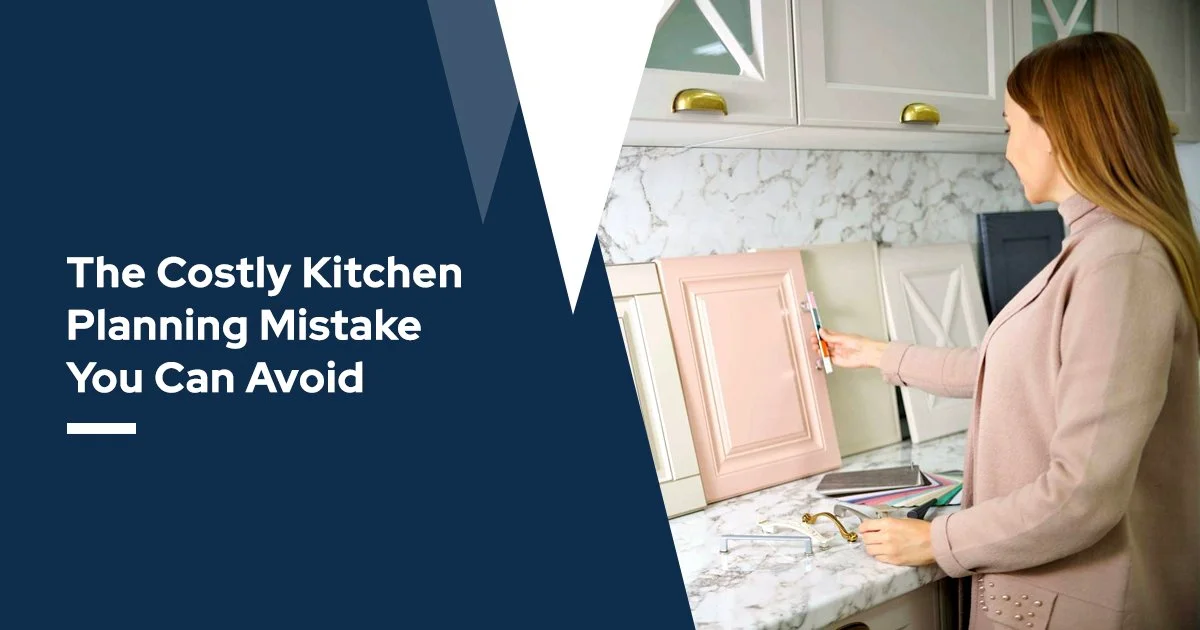
Most kitchen remodels go over budget before the first cabinet is installed.
Not because homeowners overspend on materials. Because they make the cabinet decision last — after the countertops are chosen, the layout is locked, and there’s almost no flexibility left.
Cabinets are the single biggest visual element in your kitchen. They cover more surface area than your countertops, your flooring, and your backsplash combined. And yet, most Missouri homeowners spend three times longer choosing a countertop color than a cabinet line.
This guide fixes that. If you’re planning a kitchen remodel in Union, Wentzville, Fenton, or anywhere across Franklin and St. Louis County — here’s exactly how to approach the cabinet decision so you end up with a kitchen that looks intentional, holds up to real Missouri life, and doesn’t drain your renovation budget before you’re done.
Why Kitchen Cabinets Deserve Your First Decision, Not Your Last
Here’s what happens when cabinets get picked last.
A homeowner falls in love with a dramatic Cambria quartz countertop. Then they choose warm wood flooring. Then, three weeks later, they’re standing in a showroom trying to find a cabinet finish that works with both — and they’re out of budget for the door style they actually wanted.
Cabinets set the entire tone of your kitchen. The door profile defines whether your space reads as modern, traditional, or transitional. The wood species or material determines how the light plays in the room. The finish — painted versus stained — decides whether your kitchen feels warm and lived-in or clean and contemporary.
When you start with cabinets, everything else falls into place. When you start with countertops, you’re always compromising on the thing that takes up the most visual real estate.
At Hall Brothers Lumber, we carry multiple cabinet lines — including Merillat, Koch & Company, Kitchen Kompact, WF Cabinetry, and Masterpiece — which means we’ve had this conversation with hundreds of Missouri homeowners. The ones who walk in with a cabinet plan first end up far happier with the result.
The Three Cabinet Tiers: What You’re Actually Choosing Between
Before you fall in love with a door style, you need to understand the three tiers of cabinetry — because they determine your entire budget framework.
- Stock Cabinets are pre-built in fixed sizes, typically in two-inch width increments. They’re the fastest and least expensive option. If your kitchen has a relatively standard layout, stock cabinets can look excellent when paired with the right countertop and hardware. The limitation is fit — you’ll need filler strips in corner spaces, and your layout has to work around the available dimensions rather than the other way around.
- Semi-Custom Cabinets are built to order in a wider range of sizes, finishes, and configurations. This is where lines like Merillat, Koch & Company, and WF Cabinetry live. You get significantly more flexibility in door style, wood species, finish type, and interior accessories — pull-out trays, built-in dividers, lazy Susans — without the full cost or lead time of fully custom work. For most Missouri homeowners doing a kitchen remodel, semi-custom is the sweet spot between price and personalization.
- Custom Cabinets are built by hand to your exact kitchen dimensions and specifications. Lead times run longer and cost more, but for kitchens with unusual layouts, architectural details, or very specific design requirements, custom is the right answer. Masterpiece Cabinetry — one of our premium lines — builds every cabinet individually using traditional woodworking techniques. No pre-assembled carcasses, no shortcuts.
Understanding which tier fits your project tells you immediately what your realistic budget looks like — and which design decisions are actually in play.
Cabinet Door Styles: The Choice That Defines Your Kitchen’s Entire Look
Walk into any kitchen showroom in Missouri and you’ll see a hundred cabinet door styles. Most of them fall into four main categories. Knowing these saves you hours of indecision.
- Shaker is the most versatile door style available today — and for good reason. A flat center panel framed by a simple square rail gives it the ability to read as traditional, modern, or transitional depending on how you finish and hardware it. White-painted shaker with black hardware feels contemporary. Shaker in a warm stained maple with brushed nickel pulls feels like a traditional farmhouse kitchen. If you’re unsure which direction your kitchen is going, start with shaker. It almost never goes wrong.
- Raised Panel is the classic door style of traditional American kitchens. The center panel is raised above the surrounding frame, creating depth and shadow lines. It pairs well with warmer wood tones — cherry, oak, maple in honey or medium stains — and works beautifully in older Missouri homes where traditional character is part of the architecture.
- Flat Panel (Slab) is a single, flat door with no frame or detail whatsoever. It’s the defining look of modern and minimalist kitchens. Clean lines, no dust traps, bold hardware as the only decoration. If you’re drawn to the kind of kitchen you see in new construction or contemporary renovation photography, flat panel is where you’re headed.
- Beadboard and Inset styles bring more decorative character. Inset cabinets — where the door sits flush inside the cabinet frame rather than overlaying it — are a hallmark of high-end cabinetry. The fit precision required is tight, and that quality is visible. If you’re drawn to furniture-quality kitchens with a hand-crafted feel, look for lines that offer inset options.
One important note: the same door style can look dramatically different across different wood species and finishes. A shaker door in painted white and a shaker door in stained walnut are essentially different kitchens. Always look at the actual finish samples, not just the door profile.
Wood Species and Material: What Actually Holds Up in Missouri Kitchens
Missouri homes see real weather — humid summers, dry winters, and everything in between. What works for a kitchen in a stable climate-controlled environment isn’t always what holds up under seasonal humidity swings.
- Maple is the most consistent performer we see in Missouri kitchens. It’s a tight-grained hardwood that takes paint beautifully without the grain telegraphing through the finish. If you want a clean, painted white or grey kitchen, maple is your base material. It’s also highly resistant to warping under humidity changes — a real advantage in Midwest climates.
- Cherry is the classic Missouri hardwood choice for traditional kitchens. It darkens beautifully with age (a process called patination), developing a richer, warmer color over the years. Cherry is soft enough to show the occasional ding over time, but most homeowners who love cherry consider that character, not damage.
- Oak remains practical and budget-friendly. Prominent grain means it’s not ideal for very light paint colors — the wood texture will show through. But for natural and stained finishes, especially in warm ambers and medium browns, oak delivers a classic look at accessible pricing.
- Thermofoil and MDF are worth understanding if you’re on a tighter budget. MDF (medium-density fiberboard) core with a thermofoil wrap gives you a very smooth, consistent surface that paints or wraps uniformly. It’s used extensively in white and painted cabinet lines because there’s no grain and no risk of differential expansion. The tradeoff is that it doesn’t hold up to prolonged moisture exposure around sinks or dishwashers as well as solid wood does.
If you’re pairing cabinets with new countertops — whether that’s laminate, quartz, or butcher block — the cabinet material and species should be part of the same conversation, not separate decisions made weeks apart.
Finishes: Painted vs. Stained vs. Glazed
The finish is where homeowners most often get analysis paralysis. Here’s a simple framework.
- Painted finishes give you the cleanest, most contemporary look. White, off-white, grey, navy, and sage green are the dominant choices in Missouri kitchens right now. Painted cabinets show dirt and scuffs more visibly than stained ones — especially in homes with kids or heavy cooking. The solution is a quality paint grade wood (maple being the benchmark) and a durable catalyzed conversion varnish topcoat, which most quality cabinet manufacturers apply at the factory.
- Stained finishes let the wood grain show through, adding warmth and depth that paint can’t replicate. Medium-tone stains — warm browns, toffee, chestnut — have a timeless quality that doesn’t date. Very dark stains can feel heavy in smaller Missouri kitchens with limited natural light. If you’re drawn to stained cabinets, bring your actual countertop sample into the showroom and hold them together before deciding.
- Glazed and specialty finishes add depth through a secondary color applied in the details and recesses of a door profile. Glazing brings out the architectural character of raised-panel and detailed door styles. It photographs beautifully. It also requires more maintenance — the glaze in recesses can accumulate grease in a working kitchen. Worth it for formal spaces; less practical above the range.
The finish decision also directly ties to the hardware you choose. We carry Amerock and Top Knobs lines at our cabinets and countertops showroom — and it’s worth seeing hardware in hand against finish samples before committing.
A satin brass pull transforms a painted grey shaker cabinet into something that photographs like a design magazine spread. The same cabinet with chrome pulls reads completely differently.
A Real Missouri Kitchen: What Intentional Cabinet Selection Looks Like
A homeowner in Wentzville came to us last year with a tight renovation budget and a kitchen layout that hadn’t been touched since the early 90s. The countertops were worn laminate. The cabinets were dated oak boxes with heavy raised-panel doors in a honey stain that had gone out of style a decade ago.
The temptation was to spend most of the budget on a dramatic quartz countertop — the kind of upgrade that feels immediately transformative. But we worked through the cabinet decision first.
They chose Koch & Company semi-custom shaker doors in a warm white paint, updated the layout slightly to add a small peninsula, and selected new Amerock hardware in matte black. For the countertop, they paired it with a Wilsonart laminate in a concrete-look finish — staying within budget without sacrificing the aesthetic. The result looked like a $60,000 remodel. The actual cost was significantly lower.
The lesson: the right cabinet choice makes every other material look better. The wrong one makes every other material fight harder to compensate.
For more on matching cabinet choices to countertop materials that deliver the best value, our post on kitchen countertop trends for 2026 breaks down the current landscape across quartz, laminate, and wood options.
What Missouri Homeowners Often Get Wrong About Kitchen Cabinets
- Choosing based on photos, not samples. Screen colors are unreliable. A painted cabinet that looks warm white on a monitor can look stark or yellowed in your kitchen’s specific light. Always get a door sample and bring it home. Live with it for a week under your actual lighting conditions before ordering.
- Underestimating the impact of layout. The cabinet layout — how the upper and lower runs are arranged, where the tall pantry cabinets sit, how the corner space is handled — has a bigger effect on daily kitchen function than any finish choice. Layout decisions locked in early give you flexibility. Layout decisions made late force compromises.
- Treating hardware as an afterthought. Cabinet hardware is to kitchens what jewelry is to an outfit. It’s the finishing detail that either elevates the whole look or undermines it. Budget for hardware from the start, not as whatever’s left over. Our building materials showroom carries both Amerock and Top Knobs, and our team can show you how different hardware profiles interact with your door style.
Frequently Asked Questions About Kitchen Cabinets in Missouri
- What’s the most durable cabinet material for a Missouri kitchen? Maple in a semi-custom or custom line consistently performs best for Missouri’s seasonal humidity shifts. It takes paint cleanly, resists warping, and holds up to daily use. For painted finishes especially, maple is the benchmark material we recommend most often.
- How long does a cabinet order take in Missouri? Stock cabinets can be available immediately or within days. Semi-custom orders through lines like Merillat or Koch typically run 3–6 weeks depending on finish and configuration. Custom cabinets through Masterpiece may run 8–12 weeks. Plan your timeline accordingly — especially if you’re coordinating with countertop installation.
- Should I replace cabinets or reface them? If the cabinet boxes are structurally sound and the layout still works for you, refacing (replacing just the doors and drawer fronts) can be a cost-effective refresh. If the layout is wrong, the boxes are damaged, or you want to add features like pull-outs and deep drawers, full replacement is almost always the better long-term decision.
- What kitchen cabinet brands does Hall Brothers Lumber carry? We carry Merillat, Koch & Company, Kitchen Kompact, WF Cabinetry, Masterpiece, and Midland by Koch. Each covers a different price point and customization level — from budget-friendly stock options to hand-crafted custom lines. Our showroom team can walk you through the differences based on your specific project and budget.
- How do I coordinate cabinet finish with my countertop choice? The safest approach: choose your cabinet finish first, then bring a door sample to the countertop selection. Light painted cabinets (white, grey) pair broadly with most countertop materials. Warm stained cabinets pair best with countertops that have some warmth — avoid stark white quartz or cold grey laminates unless you want a high-contrast look. Our team helps with this pairing every day.
- Is it worth visiting a showroom in person rather than ordering online? Yes — without question. Cabinet finishes, door profiles, and hardware all read differently in person than on a screen. Our Wentzville and Fenton-area customers tell us consistently that the showroom visit was the decision that changed their whole project direction. You can’t make a $10,000–$30,000 decision accurately from a webpage.
Ready to Start Your Kitchen Cabinet Project?
Your kitchen deserves more than whatever’s left in the budget after everything else gets decided.
At Hall Brothers Lumber, we’ve been helping Missouri homeowners and contractors make smarter building and remodeling decisions since 1938. Our showroom carries real samples from every cabinet line we carry — Merillat, Koch & Company, Masterpiece, WF Cabinetry, Kitchen Kompact, and more — alongside countertop options in quartz, granite, laminate, and butcher block.
If you’re planning a kitchen remodel across Franklin County, St. Louis County, Jefferson County, or anywhere in between, come see us first — before you make any other decision.
👉 Explore our kitchen cabinet and countertop showroom — or contact us to talk through your project with a member of our team.
We’ll help you get the kitchen right from the first decision, not the last.
Hall Brothers Lumber | Serving Union, Wentzville, Fenton & the Greater St. Louis Region | Trusted Since 1938