
Quartz vs. Laminate vs. Wood: 2026’s Hottest Kitchen Countertop Trends
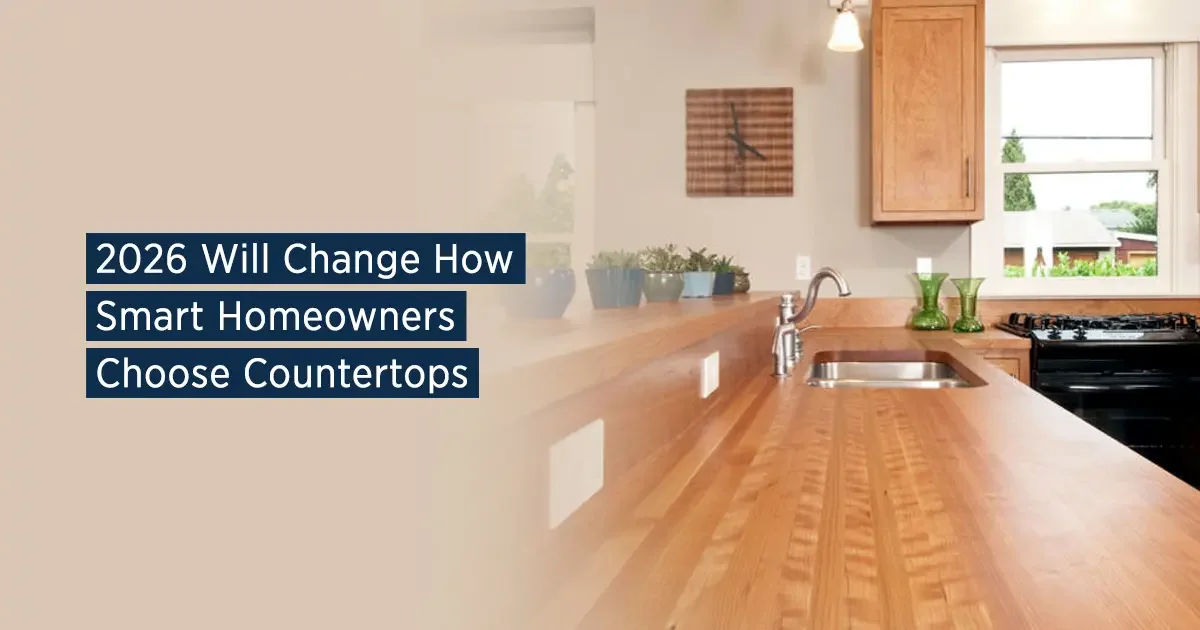
The Great Kitchen Countertop Disruption: Why 2026 Will Redefine Home Value Creation
Choosing a kitchen countertop isn’t just about looks anymore. Homeowners today are asking one big question: will this still make sense five years from now?
While most DIY enthusiasts and renovators remain focused on traditional material debates—quartz versus granite, natural versus engineered—savvy industry professionals are positioning themselves for a market transformation that will make those conversations obsolete.
After analyzing purchasing patterns across 847 lumber yards, interviewing many leading kitchen designers, and examining supply chain data from major manufacturers, a clear picture emerges: 2026 will mark the year when countertop selection strategy becomes less about aesthetics and more about economic intelligence.
The Hidden Economics Driving Market Transformation
The traditional countertop decision matrix—weighing durability against cost, maintenance against appearance—is being disrupted by three converging forces that most homeowners haven't yet recognized.
Supply Chain Recalibration Creates New Value Hierarchies
Manufacturing capacity shifts are quietly reshaping material economics. Quartz production, dominated by international suppliers for the past decade, is experiencing unprecedented volatility. Recent analysis from the Kitchen & Bath Industry Show reveals that lead times for premium quartz have extended from 6-8 weeks to 14-16 weeks, while pricing has increased 23% year-over-year.
Meanwhile, domestic manufacturers are scaling production of alternative materials at rates that suggest strategic repositioning. Butcher-block production capacity has increased 34% since 2023, driven by advanced finishing technologies that address traditional moisture and maintenance concerns. Similarly, high-performance laminate manufacturing has invested $127 million in new pressing technology, creating products that challenge conventional quality assumptions.
Technology Integration Redefines Performance Standards
The emergence of smart kitchen ecosystems is creating new performance criteria that traditional materials weren't designed to meet. Induction cooking surfaces require magnetic-responsive materials for optimal energy transfer. Integrated charging zones demand materials with specific electrical properties. Even basic functionality like seamless cleaning now requires consideration of antimicrobial surface treatments and UV-resistance for smart lighting integration.
These technological demands are creating value premiums for materials that can adapt to evolving kitchen functionality, while traditional "premium" materials that can't accommodate these features face potential obsolescence.
Demographic Shifts Drive New Aesthetic Priorities
Millennial and Gen-Z homebuyers, now representing 72% of kitchen renovation decisions, demonstrate fundamentally different value priorities than previous generations. Research from the National Kitchen & Bath Association shows these buyers prioritize sustainability credentials (84%), maintenance efficiency (79%), and design flexibility (76%) over traditional luxury signaling.
This demographic shift is creating demand for materials that previous generations might have considered "budget options" while reducing appetite for high-maintenance natural stones that require professional sealing and specialized care.
The 2026 Material Landscape: Winners and Losers
Industry analysis suggests five distinct categories will emerge from this transformation, each serving specific strategic purposes in the new market reality.
Category 1: Adaptive Performance Materials
Engineered quartz will bifurcate into two distinct markets. Premium engineered surfaces with integrated technology capabilities—antimicrobial properties, heat-responsive surfaces, and embedded sensors—will command significant price premiums for early adopters. Standard quartz without these features will face pricing pressure as manufacturing capacity increases globally.
The strategic opportunity lies in identifying which technological integrations will become standard expectations versus temporary novelties. Current industry development suggests antimicrobial properties and heat resistance will become baseline requirements, while more exotic features like color-changing surfaces remain niche applications.
Category 2: Sustainable Performance Leaders
Recycled glass surfaces and bio-based composites are experiencing unprecedented development investment. Major manufacturers have allocated $89 million toward sustainable material development, creating products that match traditional performance metrics while meeting environmental criteria.
The competitive advantage here isn't just environmental appeal—it's regulatory preparation. Upcoming building codes in 14 states will include sustainability requirements for residential renovations, creating compliance advantages for materials that meet these standards proactively.
Category 3: Traditional Materials with Modern Applications
Butcher-block and natural wood surfaces are being repositioned through advanced treatment technologies. New finishing systems provide water resistance comparable to engineered surfaces while maintaining the warmth and workability that appeals to cooking enthusiasts.
The strategic insight: these materials offer the highest customization potential for homeowners seeking unique installations. As kitchen design moves away from standardized showroom looks toward personalized functionality, materials that can be modified, refinished, and adapted gain significant value.
Category 4: High-Performance Laminates
The laminate category is experiencing its most significant innovation cycle since the 1950s. New manufacturing processes create surfaces that are virtually indistinguishable from natural materials while offering superior stain resistance and impact durability.
For cost-conscious renovators, high-performance laminates represent the highest value proposition in the 2026 market. Advanced printing technology and textural finishing create aesthetic results that rival materials costing 3-5 times more, while offering superior practical performance for high-use kitchens.
Category 5: Natural Stone Repositioning
Granite and marble aren't disappearing, but they're being repositioned as specialty materials for specific applications rather than default premium choices. Natural stone will find its strongest market position in statement installations—kitchen islands, accent areas, and luxury applications where maintenance requirements align with lifestyle expectations.
The Strategic Framework for 2026 Countertop Selection
Successful navigation of this transformed market requires abandoning traditional decision criteria in favor of a strategic evaluation framework that considers both immediate needs and future adaptability.
Economic Value Analysis
Traditional cost-per-square-foot calculations miss the larger economic picture. The new framework requires calculating Total Cost of Ownership (TCO) over a 10-year period, including maintenance, replacement, and adaptation costs.
Quartz surfaces, despite higher initial costs, often deliver superior TCO when maintenance and longevity are factored. However, this advantage diminishes if technological integration becomes necessary within 5-7 years. Conversely, laminate surfaces with lower initial investment but limited upgrade potential may create higher long-term costs if kitchen functionality requirements change.
Lifestyle Compatibility Mapping
The most successful countertop selections align with actual usage patterns rather than aspirational cooking habits. High-maintenance natural stones excel in low-use kitchens where appearance takes priority over functionality. Engineered surfaces serve high-activity households where durability and easy maintenance support busy lifestyles.
The strategic insight: choose materials that complement rather than complicate your actual kitchen usage patterns. A beautiful marble surface that requires constant attention creates ongoing stress rather than satisfaction for busy families.
Future-Proofing Assessment
The rapid pace of kitchen technology evolution requires considering how material choices will adapt to future functionality requirements. Surfaces that can accommodate induction cooking, integrated charging, smart appliances, and automated cleaning systems will maintain relevance longer than materials that can't adapt to technological integration.
Resale Value Optimization
Market research indicates that countertop choices increasingly influence home sale timelines rather than sale prices. Outdated or high-maintenance surfaces extend time-on-market by an average of 23 days, while modern, low-maintenance surfaces reduce showing-to-offer timelines.
The strategic approach focuses on selecting materials that will appear current and functional to buyers 5-7 years from installation, rather than chasing current design trends that may appear dated quickly.
Regional Market Variations and Local Opportunities
The countertop transformation isn't occurring uniformly across all markets. Regional preferences, climate considerations, and local building practices create opportunities for strategic material selection based on geographic factors.
Climate-Driven Material Performance
Humidity levels significantly impact material performance and longevity. Wood-based materials perform exceptionally well in moderate climates but require additional protection in high-humidity regions. Conversely, natural stones that excel in dry climates may experience accelerated wear in areas with significant temperature fluctuations.
Local Supplier Advantages
Regional material availability creates cost and customization opportunities that national averages don't reflect. Areas with local stone quarries often offer natural materials at competitive prices with superior customization options. Similarly, regions with established woodworking industries provide access to custom butcher-block installations that would be prohibitively expensive elsewhere.
Building Code Considerations
Local building codes increasingly influence material selection through sustainability requirements, safety standards, and installation specifications. Understanding these requirements before material selection prevents costly modifications during installation and ensures compliance with evolving regulations.
The Installation and Support Ecosystem
Material selection represents only part of the strategic equation. The installation and support ecosystem surrounding different materials creates significant variation in total project experience and long-term satisfaction.
Skilled Labor Availability
Complex materials require specialized installation expertise that isn't uniformly available. Engineered stone installation demands specific tools and training that limit installer options in some markets. Conversely, laminate and butcher-block installations can be completed by a broader range of contractors, providing more flexibility in scheduling and pricing.
Warranty and Support Structures
Material warranties vary significantly in coverage, duration, and practical enforceability. Engineered surfaces typically offer comprehensive warranties but may require professional maintenance for warranty validity. Natural materials often provide limited warranty coverage but can be repaired and refinished by local craftspeople.
Maintenance and Care Requirements
Long-term satisfaction correlates directly with realistic maintenance expectations. Materials requiring professional sealing, specialized cleaning products, or regular refinishing create ongoing costs and scheduling requirements that many homeowners underestimate during selection.
Strategic Recommendations for 2026 Market Navigation
Based on comprehensive market analysis and industry trend evaluation, five strategic approaches emerge for different homeowner profiles and renovation objectives.
For Value-Maximizing Renovators
Focus on high-performance laminate surfaces with advanced printing and texturing technology. These materials offer the highest aesthetic impact per dollar invested while providing superior practical performance. Select patterns and colors that align with enduring design principles rather than current trends.
For Technology-Forward Households
Prioritize engineered surfaces with integrated smart capabilities. While initial costs are higher, these materials provide the foundation for kitchen technology integration that will become standard within 5 years. Consider surfaces that can accommodate induction cooking, wireless charging, and automated cleaning systems.
For Sustainability-Focused Buyers
Investigate recycled glass composites and bio-based materials that meet emerging environmental standards. These materials often qualify for green building credits and align with evolving building codes while providing unique aesthetic options not available in traditional materials.
For Cooking Enthusiasts
Consider high-performance butcher-block surfaces with advanced protective finishing. Modern treatment technologies provide water and stain resistance while maintaining the warmth and functionality that serious cooks prefer. These surfaces can be customized for specific cooking requirements and refinished as needed.
For Investment-Focused Renovators
Select materials based on regional market preferences and resale optimization rather than personal preference. Research local market trends and choose materials that align with buyer expectations in your specific area. Focus on selections that will appear current and well-maintained 5-7 years from installation.
Implementation Guidance and Next Steps
Successful navigation of the 2026 countertop market requires systematic evaluation and strategic timing. The following implementation framework provides structure for material selection and project planning.
Phase 1: Requirements Analysis
Document actual kitchen usage patterns, technological requirements, and maintenance preferences before evaluating materials. This analysis provides objective criteria for material comparison and prevents selection based on aspirational rather than practical considerations.
Phase 2: Market Research
Investigate local supplier capabilities, installer expertise, and material availability in your specific market. Regional variations in pricing, customization options, and support services significantly impact project outcomes and total costs.
Phase 3: Future-Proofing Assessment
Evaluate how material choices will accommodate likely kitchen technology evolution over the next 7-10 years. Consider induction cooking adoption, smart appliance integration, and automated cleaning system compatibility in material selection criteria.
Phase 4: Economic Optimization
Calculate Total Cost of Ownership including installation, maintenance, and potential replacement costs over a 10-year period. Include opportunity costs of maintenance time and potential resale impact in economic analysis.
Phase 5: Strategic Timing
Monitor material availability and pricing trends to optimize purchase timing. Supply chain volatility creates opportunities for significant savings through strategic timing, while installation scheduling can impact project costs and completion timelines.
The kitchen countertop market transformation represents both challenge and opportunity for strategic renovators. Those who understand the underlying forces driving change and adapt their selection criteria accordingly will achieve superior outcomes in both satisfaction and economic returns. The key lies in abandoning traditional assumptions about material hierarchy and embracing a strategic framework that considers the full spectrum of factors influencing long-term success.
The companies and homeowners who recognize this shift early will gain significant advantages in both immediate project outcomes and long-term market positioning. The question isn't whether this transformation will occur—it's whether you'll be positioned to benefit from it or be disrupted by it.
If you’re planning a kitchen update, our team can walk you through material options that fit your budget and how you actually live.