
86% of Gen Z Homeowners Would Consider Laminate Countertops — Here’s Why
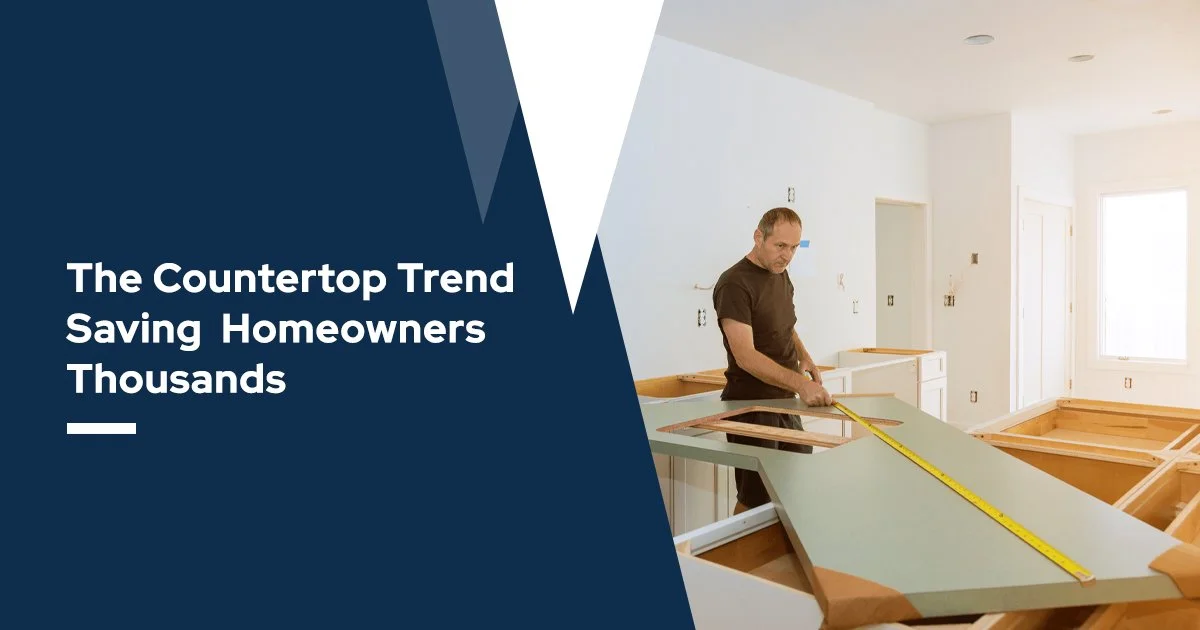
The Laminate Countertop Renaissance: Stylish Kitchen Design on a Budget
Laminate countertops are experiencing a true resurgence. Once thought of as an outdated or “budget” option, today’s laminates have been completely reinvented. New manufacturing and design technologies let laminate mimic high-end surfaces like marble, wood, and even custom artwork – all at a fraction of the cost. For cost-conscious homeowners and DIY renovators, this laminate countertop renaissance means getting a beautiful, modern kitchen look without blowing the budget. In this guide, we’ll explain why laminate is back in style, its benefits and trade-offs, and how to choose and care for the perfect countertop for your space.
Why Laminate Countertops Are Making a Comeback
Several key trends are driving homeowners back to laminate countertops:
- Modern Technology and Design: Today’s laminates use high-pressure techniques and realistic digital prints. This means colors, patterns, and textures look much more like real stone or genuine wood. You can find laminates in matte, glossy, or textured finishes. Some laminates even allow for custom designs or replicating art, giving a unique look impossible in natural stone.
- Affordable Luxury: As kitchen renovations become more expensive overall, many shoppers look for ways to save. Laminate lets you achieve the style of high-end materials without the high price tag. People can devote more of their budget to things like cabinets, appliances, or even a professional installation – all because the countertop cost stays low.
- Practical Lifestyle Differences: Younger generations and budget-focused families appreciate laminate’s practical side. It’s lighter and easier to install, which saves on labor and downtime. For homeowners who move often or renters, laminate is an easy change – it can often be swapped out without major renovation. All these factors make laminate an attractive, straightforward choice for real people’s everyday needs.
Movement in home design also shows that no material stays “out of style” forever. As tastes come and go, laminate is literally getting new life. Designers are even pairing laminate with popular trends (like mixed materials and floating shelves), showing that laminate isn’t just making a comeback – it’s part of the cutting-edge kitchen design conversation.
Key Benefits of Modern Laminate Countertops
Why might you choose laminate over stone, wood, or quartz? Here are some of the biggest advantages:
- Cost Savings: Laminate countertops are much less expensive than natural stone or quartz. This is a huge win if your kitchen budget is tight. You can often get a beautiful laminate surface for just a portion of the cost of granite or marble. That means you can put saved dollars into other remodel upgrades (like a great sink or nicer cabinet hardware) or simply reduce the overall budget.
- Design Versatility: Modern laminates come in an incredible range of styles. You’ll find patterns that closely match wood grains, marble veining, concrete, or brushed metal. There are even bold colors and graphic options. Many manufacturers offer both classic neutrals and trendy looks (think matte black, deep blue, or warm wood tones). This variety means laminate can fit any design theme, from rustic farmhouse to sleek modern.
- Ease of Installation: Laminate is much lighter and easier to cut and handle than stone or solid surfaces. Some DIY renovation enthusiasts can even install laminate themselves with basic tools. Most laminate comes in sheets or pre-cut pieces that simply glue down to a sturdy base. This makes remodeling faster, with less specialized labor. For example, the countertop area can often be transformed in just a day or two, compared to a week for custom stone or quartz.
- Lower Maintenance: Unlike materials that need periodic sealing (such as granite or certain tiles), laminate requires very little upkeep. You don’t have to seal it or sand it. Just wipe it clean with mild soap and water. Its surface is smooth and even, so crumbs and liquids don’t seep into cracks. For busy kitchens, that’s a real benefit. Of course, as with any countertop, cleanup of spills right away is best, but laminate makes it easy.
- Durability Improvements: High-quality laminates today are more durable than older versions. They’re treated to resist scratches and stains much better than in the past. For normal kitchen use—cooking meals, crafting, or everyday messes—they hold up well. (You’ll still want to use a cutting board and trivet as best practice; laminate is strong but not completely immune to deep cuts or heat.) Overall, families find that laminate can last for many years if cared for properly.
Because of these benefits, laminate gives your kitchen or bathroom a competitive edge: you get great style and function, plus the peace of mind that you spent smartly. It’s no wonder designers are recommending it again, even in new homes.
Comparing Laminate to Other Countertop Materials
It helps to see laminate side-by-side with more expensive options:
- Natural Stone (Granite/Marble): Stone countertops are famous for their beauty and durability, but they come at a price. They’re heavy, often costing thousands more, and require professional installation. With laminate, you sacrifice some toughness: a hot pan or a dropped sharp knife can damage it where stone would not. However, stone surfaces do need sealing and can stain if those seals wear off. Laminate is more forgiving to daily wear and is spill-resistant. The big trade-off: stone has unique natural patterns and can increase home value, but laminate can look remarkably similar today while costing far less.
- Quartz or Engineered Surfaces: These man-made surfaces blend crushed stone with resins to be very strong and uniform. They don’t need sealing and are highly stain-resistant. They stand well against heat and scratching too. But quartz is almost as expensive as natural stone. Laminate, on the other hand, is much cheaper. A quartz project might also require heavy-duty support frames; laminate’s lightness means simpler cabinetry can be used. In effect, quartz is kind of universal high-end, but laminate competes by being the affordable alternative that still looks great.
- Solid Surfaces (e.g., Corian): Solid surfacing materials are plastics that can be seamlessly molded, including integrated sinks. They’re repairable if lightly scratched. These are mid-priced – typically more than laminate. Laminate often can’t have an integrated sink without a seam, but you can get an undermount sink installed cleanly. Solid surfaces are a compromise between laminate and stone in cost/appearance; laminate goes even cheaper, with arguably more “Wow” factor in modern designs.
- Wood Butcher Block: Wood gives a warm and classic feel. It can be sanded and refreshed, and although expensive woods are pricey, basic butcher block can be somewhat similar in cost to laminate. The key difference is maintenance: wood needs oiling to seal it, and it can show scratches or water damage. Laminate looks cooler in print and is more “wipe-clean,” whereas butcher block is about natural wood character.
In short, laminate offers many of the aesthetics of pricier materials while delivering unmatched value. That doesn’t mean it’s completely equivalent—each material has its place—but laminate has become a top pick for people balancing cost and style.
Choosing the Right Laminate Countertop for Your Kitchen
If laminate sounds like it could work for you, here are some tips for picking the best one:
- Thickness and Edges: Laminate countertops typically come in standard thicknesses (around 1/8 to 1/4 inch of laminate glued onto a cabinet substrate). You can also get thicker or doubled laminates for a chunkier look. The edge profile makes a big visual difference: a simple square edge looks clean and modern, a rounded “bullnose” edge feels smooth, and decorative edges (beveled or waterfall) can be a special touch. Think about what edge suits your kitchen’s style before choosing the laminate surfacing.
- Finish (Gloss vs. Matte): Glossy laminates reflect light and can make small kitchens look brighter, but they can show scratches more. Matte or textured finishes hide scratches better and feel soft to the touch, giving a more natural stone look. Decide which finish matches your decor and tolerance for shine versus subtlety.
- Pattern and Color: See samples in person if you can, because lighting can change how a pattern looks. Popular options include:
- Stone/Luxury Look: Laminates that mimic marble, granite, soapstone, or concrete are big. They use fine veining or textures to look very realistic.
- Wood Look: Rich wood grains (like oak, walnut, or teak patterns) bring warmth. These are especially nice in traditional or farmhouse kitchens.
- Solid Colors: Sleek neutrals (white, gray, black) or bold colors (navy, emerald) can be found in laminate as well. They give a clean, modern feel and make the kitchen feel larger if light-colored.
- Patterned or Graphic: Stripes, geometric prints, or even a subtle metallic sheen are also available in laminate. These can be statement pieces if you want your countertop to stand out.
- Backing and Support: Laminate is usually applied to a substrate like particleboard or plywood. Make sure the base cabinets are in solid shape (no sagging). Water at the seams can slowly damage the core material, so it’s wise to seal the edges. In many cases, shops like Hall Brothers handle the substrate properly so your new laminate lasts. If you’re installing yourself, double-check that the older countertop or particleboard isn’t waterlogged.
- Brand and Quality: Not all laminates are created equal. Some big brands (Formica, Wilsonart, etc.) have excellent options with warranties. It’s worth investing in a named brand or a shop-recommended product. The feel and durability will be better than very cheap off-brand laminates. For a local choice, Hall Brothers carries premium laminate lines that last and look great.
By considering thickness, edge style, finish, and pattern together, you can tailor your laminate countertop to fit your kitchen’s exact look, from traditional to cutting-edge.
Installation Tips and Considerations
One reason laminate is appealing is how straightforward installation can be. Here are some points to think about:
- DIY vs. Professional: If you’re handy, installing a laminate countertop can be done in stages. You’ll need to accurately measure and cut the laminate sheet for sink openings, cooktop cutouts, and the overall shape. A jig saw or router works for these cuts. If you’re less experienced or the project is large, a professional installer can ensure clean seams (if you have an island or long run, seams will be necessary) and a perfect fit. Either way, installation is typically much faster and less invasive than cutting and fitting stone.
- Template and Seams: Laminate sheets usually come in long lengths or square boards, so you’ll likely need one seam for a typical counter length. The seam should line up with a cabinet joint for support and to hide it. Good installers use specialized adhesive tape that weaves the seam invisibly. Planning seam locations (like under a microwave or hood, or along a cabinet break) is smart design.
- Sink and Appliances: Laminate works with drop-in (top-mount) and undermount sinks, although undermounts need very precise cuts and strong bonding. If you want an undermount sink, the extra labor often requires pro help. For a simpler install, a drop-in sink (which sits in a hole in the laminate) is easiest. Always use a generous bead of waterproof sealant where the sink meets laminate, to protect against water seepage.
- Support and Substrate: Your base cabinets should be level and strong because laminate is bonded to them. If your existing countertop is laminate that you're replacing, make sure the old surface is removed fully, and the plywood clad or particleboard underneath is solid. If the board is worn or damaged, it’s often replaced or covered with new underlayment before the new laminate goes on. Many stores will handle that for you.
The bottom line: installation of laminate is usually quicker and less expensive than heavy stone. It often only requires basic cabinetry work and no heavy countertop transports. For busy homeowners, that’s a big plus—your kitchen can be back in action fast.
Caring for Laminate Countertops
Taking care of laminate is relatively simple, but a few good habits will keep your countertop looking great:
- Regular Cleaning: Use a mild dish soap or multi-surface cleaner and a soft cloth or sponge. Laminate surfaces are non-porous, so soap and water easily remove most messes. For tough spots (like melted plastic or sticky candy), a 50/50 mix of baking soda and water on a damp cloth can work as a gentle abrasive—just rub lightly to avoid scratching the finish. Avoid very harsh cleansers or salts, as they could dull the surface over time.
- Heat Protection: Even though laminate is coated to resist heat, it can still burn. Always use hot pads or trivets for anything hot (pans, toasted food items, etc.). Placing a 450°F pan directly on laminate might scorch or discolor it. The good news is most household cooking rarely gets that hot, and a simple habit of using a trivet protects your countertop.
- Cutting Boards: Never cut directly on the laminate surface. A good cutting board is a cheap insurance policy. Laminate can scratch if you drag a sharp knife across it. A cut through the laminate surface itself will mean replacement of that section (which is possible but not trivial). Keeping some inexpensive bamboo or plastic boards handy will keep your laminate injury-free.
- Moisture and Seams: If you have seams (most laminate countertops longer than a few feet will), be careful with standing water on or near them. Laminate itself is sealed on top, but the seam area and the substrate below can swell if water gets in. Wipe up spills around sinks promptly. Also, install a good silicone around sinks to seal the gap. If you ever see edge banding peeling, a quick dab of contact cement can re-secure it.
- Avoid Abrasives: Laminate is tough but can be scratched or marred by rough steel wool or scouring powders. Stick to soft sponges. For shine, some people use a bit of furniture polish or wax (a small amount of car wax, buffed off well, gives extra resistance to liquids), though this is optional.
With normal care, a good laminate countertop should stay looking new for years. Remember, the ease of maintenance is one of its main attractions. You save a lot of time and product cost over the years compared to higher-maintenance surfaces.
Laminate Countertops and Kitchen Design Trends
Classic or trendy? Laminate goes both ways. Here’s how laminates fit into current kitchen design ideas:
- Bold Contrasts: Some designers use laminate boldly. For example, an off-white or solid colored laminate can make a crisp contrast against dark wood floors or cabinets. Or use a wood-look laminate on the main counters and a solid color on the island for visual interest. Because laminate is so affordable, it’s easy to experiment without regret.
- Subtle Matching: Other homeowners prefer harmony. A woodgrain laminate on the countertop can match or complement real wood cabinets for a cozy look. A stone-look laminate can match tile backsplashes. Laminate lets you choose just about any shade to coordinate with paint colors or appliances.
- Textured Finishes: Textured laminates that feel like leather or rough-cut stone are becoming popular. They handle fingerprints well and add tactile interest. This can be great in kitchens aiming for an organic or spa-like feel.
- Two-Tone Kitchens: In two-color cabinet kitchens (like white uppers and navy lowers), laminate can reinforce the scheme. For instance, a light laminate on the countertop with dark lower cabinets creates a classic balanced look. The affordability of laminate makes two-tone approaches easier to do without overshooting budget.
- Waterfall Edges: A modern design is the “waterfall” countertop, where the countertop material continues down the side of an island to the floor. Though more common in stone, waterfall edges can be done in laminate too, giving the illusion of a thick solid material. Because laminate can be layered and finished on edges, a waterfall laminate countertop can look very contemporary.
- Backsplash Pairing: While tile or glass backsplashes are common, using the same laminate on the backsplash creates a seamless look. This can make a small kitchen feel larger. For example, a marble-patterned laminate on both counters and backsplash acts like an affordable slab-run look. Just be sure to always run a sealant where the laminate meets the wall.
By observing kitchen inspirations, you’ll find laminates used in everything from farmhouse kitchens to minimalist lofts. Their neutrality in moderate patterns means they blend, and their bold options mean they can also become a focal point. The key for any design is: stick to one clean pattern so the space doesn’t get too busy, then build the rest of the decor around it.
Frequently Asked Questions About Laminate Countertops
Q: Are laminate countertops still a good choice today? A: Absolutely. Modern laminate has come a long way. It’s an excellent option if you want a fresh kitchen look without a big budget. Its new colors and textures mean you’re not sacrificing style. For areas where extreme durability isn’t a must, laminate provides a very good balance of form and function.
Q: How durable are laminate countertops? A: Laminate can withstand a lot of everyday kitchen use. It’s water-resistant and handles normal food prep well. It’s less hard than stone, so it’s more prone to minor scratches or heat marks if you’re not careful. That said, for typical home cooking, laminate holds up fine as long as you use trivets and cutting boards. If your lifestyle includes heavy-duty cooking every day, you might consider a more robust material for the main countertops, reserving laminate for a secondary area.
Q: Can laminate look like expensive materials? A: Yes. The latest laminates are very convincing. For example, a high-quality laminate with a marble design will have subtle veining and even a textured finish that mimics real stone. In good lighting, most guests wouldn’t guess it’s laminate unless they looked very closely. Of course, under the scrutiny of a microscope it’s not real stone, but for practical household purposes, it’s remarkably realistic. Similarly, wood-look laminates can replicate everything from light birch to rich mahogany grains.
Q: How easy is it to install laminate countertop? A: Compared to stone or quartz, it’s significantly easier. If you’re doing it yourself, you need to measure carefully and make a clean cut for sinks and edges. Laminate comes as flat sheets that you glue onto a plywood or particleboard base. It often comes with a matching edge strip. Most DIYers find that with a few clamps and adhesive, they can manage a straight run of countertop. For more complex shapes, hiring a pro is recommended to ensure seams are tight and edges are perfectly smooth. But overall, the process is straightforward enough that remodels cause minimal kitchen downtime.
Q: How much do laminate countertops cost? A: Exact prices depend on the style and thickness, but generally laminate starts at only a portion of what stone costs. Many homeowners find they can get the look of marble or granite in laminate and still save hundreds or more on a typical kitchen countertop. This means wider renovation breathing room or staying under budget. It’s always smart to get a few quotes (including any installation) to see real prices for your area. But as a rule of thumb: laminate is one of the most budget-friendly countertop options available today.
Q: What should I avoid with laminate countertops? A: To keep it looking great, avoid dropping very heavy items (like cast iron pans) without some protection, and don’t use the countertop as a base to chop. Also, try not to let boiling hot things sit directly on it. Apart from that, normal cleaning will keep it in good shape. You won’t need special cleaners—everyday kitchen cleaner or even diluted vinegar works fine. Just remember to dry big spills so that moisture doesn’t sit on seams all day.
Conclusion
The laminate countertop renaissance means your kitchen can have that designer look without breaking the bank. With today’s improved styles and easy maintenance, laminate is a smart pick for budget-friendly remodels. It offers tremendous cost savings and design flexibility, while still giving a durable surface you can rely on for daily life.
If you’re considering a kitchen upgrade, take a close look at modern laminate. You might be surprised how many options there are – from classic neutrals to bold marbles and woods. At Hall Brothers, we carry a wide range of premium laminates and can help you choose the perfect one for your space. Our team is always happy to explain the differences between materials or show you samples in real kitchen settings.
For any questions about planning your new countertop, feel free to reach out or stop by our showroom.
We love helping local homeowners make confident choices about their kitchen. Follow us for more simple home design tips, and let us know if you want personalized advice. With the right laminate, you’ll enjoy a beautiful, modern kitchen surface that’s easy on your wallet and uniquely your own.