
Choosing the Right Roofing Materials: What Property Owners Often Miss
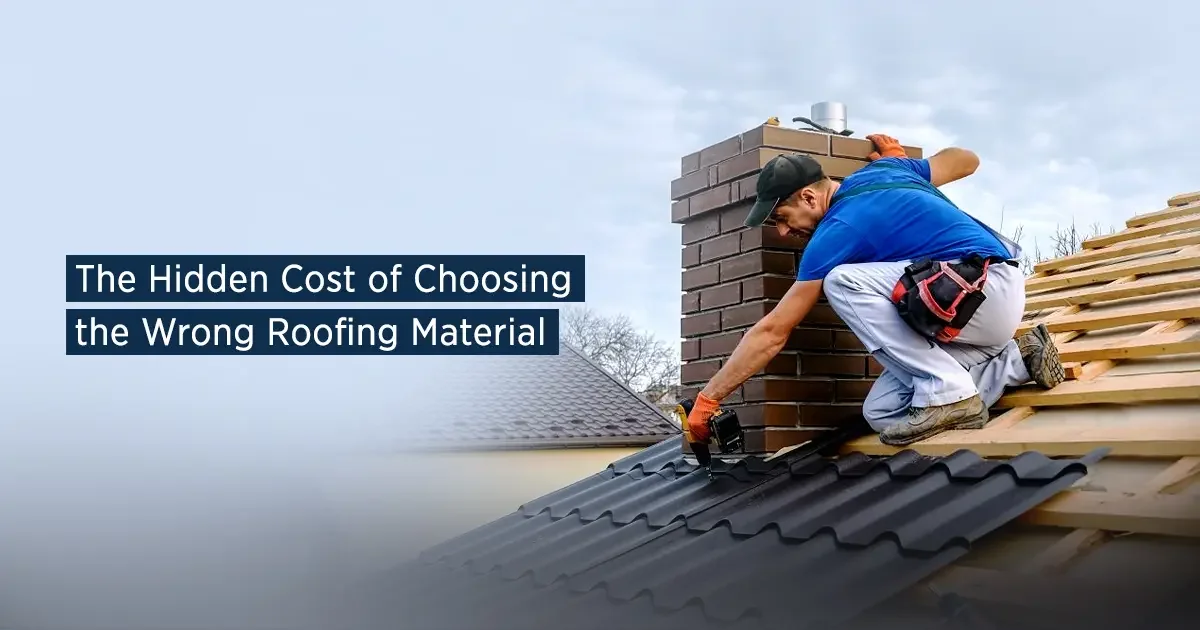
Most roofing problems don’t happen because of bad installation alone.
They happen because the wrong roofing material was chosen for the climate, building type, or budget.
At Hall Bros Lumber, we work closely with contractors, builders, and property owners across the Southeast. Over the years, one pattern keeps repeating:
Many roofs fail early not because they were installed poorly, but because the
material was never suited for the job in the first place.
Understanding roofing materials — and where each one actually performs well — can save thousands in repairs, replacements, and energy costs.
Why Roofing Material Choice Matters More Than Ever
Roofing materials are often chosen based on:
- Initial cost
- Familiarity
- Manufacturer marketing
- What was used on the last project
- But climate conditions in the Southeast place real stress on roofs:
- High UV exposure
- Heavy rain and storms
- Strong winds
- Heat and humidity
- Temperature swings in certain regions
Materials that perform well in cooler or drier climates may wear out much faster here.
Common Misunderstandings About Roofing Materials
1. “All roofing materials work the same in most climates”
They don’t.
A roofing system that performs well in northern states may degrade faster in Southern heat and sun. UV exposure, moisture, and thermal expansion all affect material lifespan.
2. “More expensive always means better”
Not necessarily.
Some premium-looking materials require more maintenance or are less forgiving in extreme weather. In many cases, material suitability matters more than price.
3. “Manufacturer warranties cover everything”
Warranties vary widely and often depend on:
Proper installation
Maintenance history
Specific environmental conditions
It’s important to understand what is covered and what isn’t before relying on a warranty as protection.
Roofing Materials That Perform Reliably in Southern Conditions
Based on supplier data, contractor feedback, and long-term use, these roofing systems tend to perform consistently when used in the right applications.
1. Modified Bitumen Roofing
Best for:
- Flat or low-slope roofs
- Commercial buildings
- Certain residential applications
Why it works:
- Strong resistance to moisture
- Handles temperature changes well
- Durable in high-UV environments
Considerations:
- Requires proper installation
- Best installed by experienced crews
2. Metal Roofing Systems
Best for:
Residential and commercial buildings
Areas with high wind or storm exposure
Why it works:
Long service life
Strong wind resistance
Reflects solar heat, improving energy efficiency
Considerations:
Higher upfront cost
Requires correct fastening and detailing
3. Synthetic Slate and Shake
Best for:
Homes needing traditional aesthetics
Projects where weight matters
Why it works:
Lighter than natural slate
Resistant to moisture and insects
Consistent appearance over time
Considerations:
Quality varies by manufacturer
Must be installed per specifications
4. TPO and PVC Single-Ply Membranes
Best for:
Commercial flat roofs
Modern residential designs
Why it works:
Heat-welded seams reduce leak risk
Reflective surfaces help lower cooling costs
Performs well in high-heat regions
Considerations:
Installation quality is critical
Not all membranes are equal
5. Advanced Composite Shingles
Best for:
Residential homes
Areas prone to storms or hail
Why it works:
Improved impact resistance
Better wind ratings than standard asphalt
Longer lifespan when properly installed
Considerations:
Costs more than basic shingles
Performance depends on product grade
Understanding Real-World Performance (Not Just Labels)
Manufacturer ratings are useful, but actual performance depends on:
- Local weather conditions
- Roof slope and design
- Ventilation
- Installation quality
- Maintenance
For example:
- Standard asphalt shingles may last less in high-UV areas
- Metal roofs often exceed expected lifespan when installed correctly
- Synthetic materials tend to perform more consistently across climates
This is why material selection should always be tied to location and use case, not just advertised lifespan.
The Cost of Choosing the Wrong Material
Short-term savings can lead to:
- Early replacement
- Higher energy bills
- Storm damage repairs
- Insurance complications
In many cases, choosing a better-suited material upfront leads to:
- Lower maintenance
- Better energy efficiency
- Fewer repairs over time
- Higher property value retention
How Hall Bros Lumber Helps
At Hall Bros Lumber, we don’t push one “best” roofing product.
We help contractors and property owners:
- Compare material options honestly
- Understand where each system performs best
- Source reliable, proven roofing materials
- Match products to project requirements
Our goal is simple: help you build roofs that last, not roofs that come back with problems.
Practical Advice Before Choosing a Roofing System
Before finalizing a roofing material, consider:
- Local weather exposure
- Roof slope and structure
- Building use (residential vs commercial)
- Energy efficiency goals
- Long-term maintenance expectations
- If something sounds “too good to be true,” it usually is.
Final Thought
A roof is not just a surface — it’s a system.
When the material matches the climate, design, and installation method, performance improves dramatically.
Choosing the right roofing material is less about hype and more about fit.
For material guidance, availability, and practical recommendations, speak with the team at Hall Bros Lumber. We’re here to support informed decisions, not sell shortcuts.