
How to Stain a Wood Deck in Missouri: The Complete Spring Guide
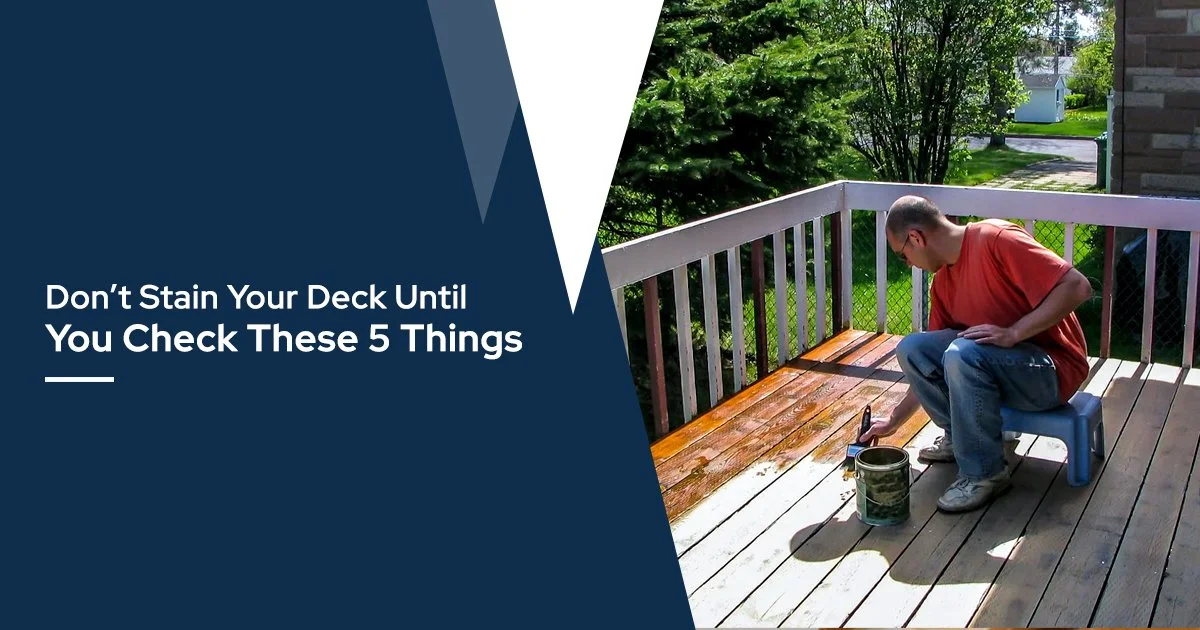
Your deck has had a rough few months.
Missouri winters do things to wood that milder climates don’t have to deal with. The freeze-thaw cycle — temperatures swinging from 10 degrees to 50 degrees in the same week — works moisture into the grain, expands it, contracts it, and leaves boards that were perfectly fine in October looking tired and gray by April. Add the spring rains and the cottonwood debris that settles into every gap, and what you’re looking at as you open the back door on the first warm Saturday isn’t quite the deck you remember from last summer.
The good news: if you catch this in May rather than July, you’re ahead of the problem. A properly prepped, properly stained wood deck in Missouri can look great for three to five years before it needs significant attention again. A rushed job with cheap product on unprepared wood will be back to looking rough within a season.
At Hall Brothers Lumber in Union, we’ve been supplying Franklin County homeowners with decking materials, hardware, and project advice since 1938. Here’s the complete guide to doing this right.
Why Does Missouri Climate Make Deck Staining More Important Than in Other States?
Missouri’s combination of hot, humid summers, cold winters with significant freeze-thaw cycling, and spring moisture creates a more demanding environment for wood decks than most of the country — which means product selection and prep work matter more here than the national advice suggests.
This isn’t a minor point. A deck staining guide written for Arizona or coastal California has completely different assumptions baked into it. Those climates are hard on decks in their own ways, but they don’t experience the same wood movement that Missouri’s temperature swings create.
When water gets into wood grain and freezes, it expands. When it thaws, it contracts. Over a Missouri winter with multiple freeze-thaw cycles, this creates micro-cracking in the wood surface — small channels that accelerate moisture intrusion the following season. A stain that hasn’t fully penetrated the wood going into winter leaves those cracks unprotected.
Missouri summers add UV stress on top of the moisture stress. The combination of summer heat, direct sun, and high humidity accelerates the breakdown of stain film on the surface while humidity continues to drive moisture into any unprotected areas underneath.
The practical implication: don’t buy deck stain based on price alone. The difference between a premium penetrating stain and a cheap film-forming product on a Missouri deck isn’t just about how it looks — it’s about whether you’re restaining every year or every three to five years. Our hardware team at Hall Brothers can help you select the right product for your wood type and exposure conditions before you start the project.
Before You Buy Anything: How to Assess What Your Deck Actually Needs
Walk your deck thoroughly before purchasing a single product. The assessment determines whether you need cleaning and a fresh coat, or whether you have repair work that has to come first — and attempting to stain over structural problems wastes your time and materials.
Start with the boards themselves.
Walk every section, including the areas under furniture that rarely get direct sun. Look for:
Soft spots. Press your foot firmly on boards in shaded areas, near the house, and around planters or pots that trap moisture. A board that flexes or feels soft underfoot has rot that needs addressing before any staining happens. Staining over rotted wood is throwing product at a structural problem.
Raised grain and splintering. If the wood surface feels rough to the touch with your palm flat, the grain has raised — typically from repeated moisture exposure without maintenance. This requires sanding before staining, or the new stain will sit on top of the raised fibers rather than penetrating.
Loose or popped fasteners. Nails that have worked up from the boards, screws that have backed out, or boards that move when you walk on them need to be reset or replaced. Deck screws are more reliable for this than nails — once a nail has worked loose in Missouri’s expansion-contraction cycle, it tends to keep working loose.
Old stain condition. If stain is peeling or flaking, the surface needs to be stripped before restaining. New stain won’t bond properly to peeling old stain — the new coat will fail along with the old one. If the existing stain is worn but not peeling (just faded and thin), a cleaning and fresh coat is typically sufficient.
The water bead test. Sprinkle water on a dry board. If it beads up and rolls off, the existing stain still has some water-repelling capability. If it soaks in immediately, the wood is ready to accept new stain and the existing protection is gone.
Take measurements of the deck surface area — length times width, minus any areas that aren’t decking surface. You’ll need this for material calculations.
How to Deep Clean a Wood Deck Before Staining
Cleaning is the step most DIYers underinvest in — and inadequate cleaning is the most common cause of premature stain failure. New stain needs to penetrate clean, open wood grain. Dirt, mildew, and old stain residue block that penetration and create a bond that fails early.
Missouri spring decks typically come with: a winter’s worth of dirt and organic debris, algae or mildew on shaded surfaces, pollen from oak and cottonwood season, and in some cases the remnants of the previous stain coat.
Step 1: Clear and sweep. Remove all furniture, grills, planters, and anything else on the deck surface. Sweep thoroughly, paying attention to the gaps between boards where debris accumulates.
Step 2: Apply deck cleaner. A quality deck wash solution — available through our hardware department at Hall Brothers — removes dirt, mildew, and old stain residue while opening the wood grain for better stain absorption. Mix according to label directions and apply to the wet deck surface.
Pressure washing: If you use a pressure washer, keep it at 1,200–1,500 PSI with a fan tip. Keep the nozzle 8–12 inches from the surface and work with the grain of the boards, not across it. Higher pressure or perpendicular angles damage the wood surface. Work in sections and rinse thoroughly.
Without a pressure washer: A stiff-bristled deck brush on an extension handle works well for scrubbing in the cleaning solution. Let it soak for three to five minutes on dirty sections, then scrub and rinse with a garden hose.
Step 3: Allow full drying time. This is non-negotiable. Staining over wet or damp wood is one of the most reliable ways to cause peeling. The wood needs to dry for a minimum of 24–48 hours after washing, and in Missouri’s spring humidity, 48 hours is more reliable than 24. If you have a moisture meter, you’re looking for readings below 15%.
The dry test without a meter: Sprinkle a few drops of water on the cleaned surface. If it absorbs within 30 seconds, the wood is dry enough to stain. If it sits on the surface or beads, wait longer.
How to Repair a Wood Deck Before Staining
Repairs happen before staining — never after. Staining covers problems you should have fixed, and those problems become more expensive to address once they’re hidden under a fresh coat of product.
Replacing boards. Any board with significant rot, severe cracking, or structural weakness needs to come out. Use exterior-grade deck screws for replacement boards rather than nails — screws hold better through Missouri’s seasonal movement and are easier to remove if future replacement is needed. Pressure-treated lumber for structural members; cedar or the same species as your existing deck for visible decking boards.
Filling small cracks and holes. Exterior-grade wood filler or epoxy works for small surface cracks, nail holes, and minor splits. Let it cure fully per the product directions before sanding. Don’t use interior wood filler — it won’t handle the moisture and movement of an outdoor deck.
Sanding. After repairs and before staining, sand any rough areas with 80–120 grit sandpaper. Pay particular attention to the edges of filler repairs, raised grain sections, and any areas where old stain is rough or uneven. The goal is a smooth, consistent surface — not removing all the wood character, just eliminating anything that would prevent even stain absorption.
After sanding, sweep or vacuum the deck surface thoroughly. Dust left on the surface interferes with stain penetration.
Our lumber department at Hall Brothers carries pressure-treated and dimensional lumber for deck repairs, along with the exterior fasteners and hardware your repair work requires. Check our lumber page for current inventory.
How to Choose the Right Deck Stain for Missouri
The right stain for a Missouri deck is a penetrating formula — one that soaks into the wood grain rather than forming a film on the surface. Film-forming products peel in Missouri’s climate. Penetrating products wear gradually and can be refreshed without stripping.
This is the product decision that determines how long your work lasts, and it’s worth spending 10 minutes getting right.
Penetrating vs. film-forming. Penetrating stains (also called transparent or semi-transparent) soak into the wood and protect from within. As they wear, they do so gradually — the wood weathers, the stain fades, but nothing peels. Film-forming stains sit on the surface and create a sealed coating. In stable climates, these can look great. In Missouri’s expansion-contraction cycle, the film eventually separates from the wood surface and peels — which then requires stripping before any future application.
Transparency level. Transparent stains show the most wood grain and natural character. They wear faster and need reapplication more frequently, but they’re the best choice for newer wood in good condition that you want to showcase. Semi-transparent adds more color and UV protection while still showing grain. Semi-solid and solid stains add the most protection and hide the most wood character — good choices for older, weathered wood where the grain isn’t the selling point.
Oil-based vs. water-based. Oil-based penetrating stains typically produce better initial penetration and longer-lasting protection on wood decks, particularly in demanding climates. They require mineral spirits for cleanup and have longer drying times. Water-based stains have improved significantly and are easier to apply and clean up, with adequate performance on most residential decks. Check the label for Missouri climate suitability — some products are specifically formulated for high-moisture, high-UV environments.
Our hardware team at Hall Brothers can help you match the product to your specific wood type, deck age, and exposure conditions. Come in with your square footage and a description of your deck’s current condition and we’ll point you toward the right product. Visit our store or call us at (636) 583-2114.
How to Apply Deck Stain — The Right Way
Apply stain on a dry day when temperatures are between 50–90°F, with no rain in the forecast for at least 24 hours. Work with the grain, maintain a wet edge, and resist the temptation to apply thick coats — thin coats that penetrate outperform thick coats that sit on the surface every time.
Timing and conditions. Check the forecast before you start. Rain within 24 hours of application is a ruined stain job — the water prevents the stain from curing properly and causes it to lift or streak. Direct hot sun beating on the deck while you apply is also problematic — the stain dries too fast to penetrate evenly. Early morning or late afternoon on a clear, mild day is ideal.
Protect surroundings. Tape off house siding, door thresholds, and any painted trim adjacent to the deck. Lay drop cloths on any adjacent patio, walkway, or plant beds below railings and stairs where drips will fall. Move anything still on the deck.
Application sequence. Start with railings, balusters, and stairs — anything vertical. Finishing with the flat deck surface means any drips from the vertical work land on unstained wood where they can be worked in. If you reverse the order, every drip from the railings leaves a mark on your freshly stained boards.
Board by board, with the grain. Apply stain along each board’s length — never across it. A 4-inch brush gives you control along the edges and between boards. A roller moves faster on open flat sections, but always follow with a brush to work the stain into the grain and catch the edges. The combination of a roller person and a brush person working together produces the most consistent finish.
Keep a wet edge. Don’t let one section dry completely before blending into the next. Work in manageable sections — four to five feet at a time — and blend edges while both sections are still wet. Overlapping dried edges creates lap marks that are visible in the finished surface.
Thin is better than thick. The wood should be absorbing the stain, not building up a surface film. If you see the stain pooling in low spots or sitting on the surface rather than soaking in, you’ve applied too much. Wipe up any puddles with a rag and move forward with lighter application. A thin second coat the following day is a better outcome than one thick coat that never cures properly.
Two coats on the floor, one on the rails. The walking surface takes the most wear and benefits from two coats. Railings and stairs typically hold up well with one coat.
How Long Does Deck Stain Need to Dry in Missouri?
Most penetrating deck stains require 24 hours before light foot traffic and 48 hours to fully cure in normal conditions. Missouri’s spring humidity extends these windows — when in doubt, wait the full 48 hours before allowing regular use, and plan for 72 hours before moving heavy furniture back.
Check your specific product’s label for drying times — these vary by formula and brand. The general guidance:
Touch dry typically happens in 4–8 hours for water-based stains, 8–12 hours for oil-based. Touch dry means the surface doesn’t transfer stain — it does not mean the stain has fully cured.
Light foot traffic is typically safe at 24 hours in normal conditions (50–80°F, reasonable humidity). In cool, damp spring weather, add another 12 hours.
Full cure — where the stain has fully hardened and bonded with the wood — is 48–72 hours. Moving heavy furniture back before full cure can leave imprints or damage the finish.
During this waiting period: no rain, no sprinklers, no foot traffic beyond the gentlest check. Put up something visible at deck entry points so family members and pets don’t walk across it while it’s curing.
How to Maintain a Stained Wood Deck in Missouri
With a quality product applied correctly over properly prepared wood, most wood decks in Missouri need light cleaning seasonally and a fresh coat every two to four years. The key is catching the small problems early rather than waiting until the deck needs full restoration.
Weekly during season: Sweep off leaves, debris, and anything that traps moisture. Organic material sitting on stained wood accelerates moisture retention and mildew growth — five minutes of sweeping regularly is worth much more than a full deck restoration later.
Seasonally: A rinse with a garden hose removes pollen and surface dust. In fall before winter, a more thorough rinse removes the summer’s accumulated grime and gives you a clear look at the deck’s condition going into the freeze-thaw season.
Annually: A light wash with deck cleaning solution and a visual inspection. Look for any areas where the stain is worn through to bare wood — particularly high-traffic areas like the path from the door to stairs, spots where furniture sits regularly, and anywhere water tends to pool. Bare spots need spot treatment before the next season, not at the end of the deck’s lifespan.
The recoat test: Sprinkle water on the surface in spring. If it beads up, the stain still has life. If it soaks in quickly, it’s time for a cleaning and fresh coat. A quality penetrating stain on a properly prepped Missouri deck typically passes this test for two to four years. Cheap product on rushed prep might not make it through one winter.
The economics are straightforward: one fresh coat of good stain on a cleaned, lightly sanded deck surface every two to three years costs a fraction of what it costs to fully strip, repair, and restain a deck that’s been neglected for five years.
FAQ: Wood Deck Staining in Franklin County, Missouri
When is the best time to stain a wood deck in Missouri?
Late spring — May to early June — or early fall are the optimal windows. You want temperatures consistently between 50–90°F with low humidity and no rain in the 24-hour forecast before and after application. Missouri’s late spring weather is ideal: warm but not hot, dry stretches are common, and you’re getting ahead of summer’s peak heat and UV exposure. Avoid staining in July and August when temperatures routinely push into the 90s — hot weather causes stain to dry too quickly for proper penetration.
How do I know whether to clean and restain or strip and start over?
If the existing stain is peeling or flaking, it needs to be stripped before restaining — new stain won’t bond properly to failing old stain. If the stain is faded and worn but not peeling, cleaning and a fresh coat is usually sufficient. The test: sand a small area and see if the wood accepts the new stain evenly. If it does, you’re in cleaning-and-recoat territory. If the old stain repels the new product even in the sanded spot, stripping is the path forward.
What causes deck stain to peel in Missouri?
The two most common causes are applying stain to wood that wasn’t fully dry (moisture under the stain creates pressure as it tries to escape) and using film-forming products rather than penetrating stains. Missouri’s freeze-thaw cycle is particularly hard on film-forming coatings because the expansion and contraction of the wood repeatedly stresses the film-wood bond. Penetrating stains avoid this because they move with the wood rather than sitting on top of it.
Do I need to sand my deck before staining?
Not necessarily for every restaining job, but you do need to sand any rough, raised grain areas and any sections where old stain is rough or uneven. If the surface is smooth and the existing stain is simply faded, thorough cleaning may be sufficient preparation. For a deck that hasn’t been stained in several years, where the wood grain has raised significantly from weather exposure, sanding the full surface produces noticeably better stain absorption and a more consistent finish.
Can I stain my deck the same weekend I clean it?
In most cases, no — not responsibly. After pressure washing or thorough deck cleaning, the wood needs 24–48 hours to dry completely before staining. Missouri’s spring humidity often pushes this toward the 48-hour end. Staining over damp wood is the most reliable path to peeling. Plan your project across at least two weekends: one for cleaning and repairs, one for staining.
What Hall Brothers products do I need for a deck staining project?
Hall Brothers carries lumber for board replacements, exterior-grade deck screws and fasteners, wood filler, sandpaper, and through our Do it Best relationship, painting and staining supplies including deck stains, cleaners, and application tools. Come in and describe your project — our team will help you build the right materials list for your specific deck and get your project started right.
Make the Most of the Best Weeks of Missouri Spring
The window between “too cold and wet to work outside” and “too hot to spend a weekend staining” is shorter in Missouri than most people plan for. May and early June are the prime weeks — and they pass quickly.
If your wood deck is due for attention this spring, the materials you need are in stock at Hall Brothers Lumber in Union. We carry the lumber, hardware, fasteners, and finishing supplies for projects like this — and we’ve been helping Franklin County homeowners tackle them since 1938.
Come in, bring your measurements, and tell us what your deck looks like. We’ll help you figure out what it needs.
📞 (636) 583-2114
🌐 hallbroslumber.com
🛒 Shop hardware and finishing supplies
📍 Union, MO — serving Franklin, Jefferson, and Gasconade Counties
Hall Brothers Lumber — 87 years of knowing what works in Missouri.