
Composite vs Wood Decking: Which Material is Best for Your Deck in 2026?
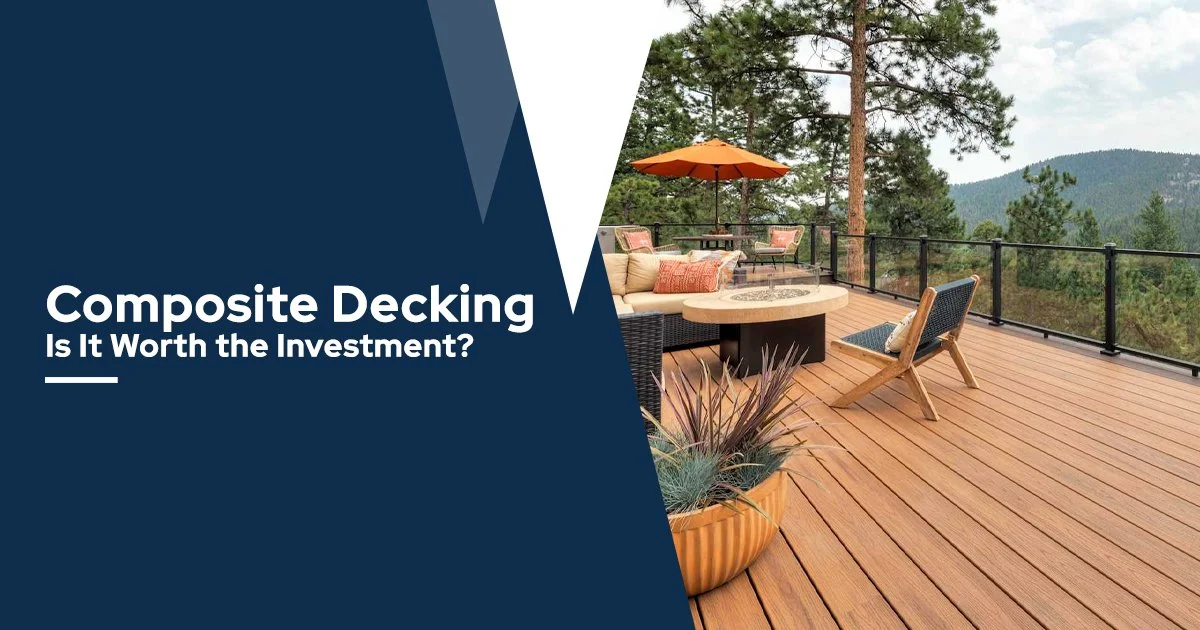
Thinking about a new deck?
Composite decking has become a popular choice for homeowners. Unlike plain wood boards, composite boards are engineered from recycled wood fibers and plastic. This means they look like wood but won’t rot, splinter, or attract termites in the same way. For you, that translates to a deck that stays beautiful longer with less effort. Instead of sanding or staining your deck every year, you’ll find yourself relaxing on it.
Durability
One big benefit of composite boards is durability. Traditional wood decks can warp or crack after a few seasons in our weather. You may have seen old wood decks turn gray and brittle without regular care. Composite material, on the other hand, is made to resist water and insects. If you accidentally spill juice or paint on it, it washes off easily. In practical terms, this means less time fixing problems and more time enjoying your porch or patio. Your deck will stay on level longer, so you don’t have to worry about loose boards betraying your step.
Variety of Looks
Another thing homeowners notice is the variety of looks you can get with composite. These days the boards come in many colors and patterns. Maybe you love the warm reddish look of cedar, or maybe you prefer trendy gray tones that hide dirt and fit modern styles. Composite boards can mimic exotic woods that might be hard to find locally. For example, you can get plastic-wood boards that look very much like dark walnut or light oak. This gives you freedom in planning your space – you can match your deck to your house colors or landscaping much more easily. It’s like having a paint-free design choice: pick your favorite shade and woodgrain pattern right off the shelf.
Maintenance
When it comes to maintenance, composite decking really shines. If you’ve had a wood deck before, you know it needs staining, sealing, or painting almost every year to protect it. That can be a weekend project every summer. Composite decks usually need nothing more than an occasional cleaning with soap and water. No ladders, no special sealers, no chasing your kids with the stain brush. For you, that often means weekends free. Imagine not having to crawl around on your hands and knees scraping dry leaves out of deck crevices or applying deck oil before the Fourth of July. Instead, you might invite friends over right away and start the barbecue.
Upfront Cost
Of course, composite boards can cost more upfront than some basic wood options. This higher initial price raises a common question: is it worth it? Think of it like trading money for time and convenience. Yes, you pay a bit more per board, but over the years you save on paint, sealant, and even energy. (Imagine lugging less equipment or skipping that trip to the store for sealant.) Also, because you’re not refinishing it often, your deck is usable earlier and longer. For many homeowners, that means not having to shut down summer fun for maintenance. That free time is hard to put a dollar value on – it may leave more hours for family dinners outside or relaxing by the grill. In other words, you’re paying more now so you don’t have to pay, in sweat and mess, later.
Longevity
Most composite decking is built to last decades. Wood decks often need replacing or major rehab after maybe 10–15 years, depending on climate and upkeep. A good-quality composite deck can easily go 25 years or more and still look quite decent. For you, this longevity means stability. You won’t have to wrestle with a crumbling deck frame later on or surprise yourself with unexpected repair bills. It’s peace of mind: you choose a material and know it’s not going to suddenly warp or rot under you. If you plan to live in your home a long time, that’s a relief. Your grandchildren might even outgrow the swings on that deck before the boards wear out.
Heat and Scratches
Of course, no material is perfect. Composite decks can heat up in strong sun. The dark-colored boards you saw in the showroom look great, but if the sun beats down all afternoon, those boards will get hot to the touch. You might prefer a lighter gray or tan color in a very sunny spot so it won’t fry your bare feet or puppy’s paws. Also, some cheaper composite mixes can get scratched more easily than wood. So, if you have a dog that loves running around, or if you often move heavy furniture on your deck, it’s worth choosing a higher-grade composite that’s scratch-resistant. A good tip is to feel the board surfaces at a store or ask to see a demo – you’ll want a board strong enough for your lifestyle.
Shopping Tips
Shopping tips: Not all composites are alike. One trap is to buy the cheapest unbranded boards you find. Those might fade fast or get moldy in shaded spots. Instead, look for boards backed by a warranty (many come with 20–30 year guarantees). Check reviews from other homeowners or ask a decking expert about local performance. In warm or humid areas, some older composites could grow mildew if moisture sits on them. Newer boards often include chemicals to fight that, but it pays to double-check specs or ask a friend who already owns one. Essentially, do a bit of homework before you buy. That way you won’t end up replacing the deck sooner than expected.
Improving Look and Feel
A current trend is that manufacturers are improving look and feel. Modern composites might have realistic woodgrain etchings and different textures on top (‘pearl finish’, ‘wire-brushed’, etc.) to hide scratches and slip better. If you want a natural wood look, these new finishes can make composites look just as rich as real wood, and sometimes even better in tricky weather. Some brands also offer boards with a slightly softer underlayer, so they feel warmer in bare feet. Keeping an eye on these options can help you pick something both stylish and practical. For you, this means more choices: you can mix composite with railing styles or lighting to match your home’s vibe. You’re not stuck with only rough palest tan; there’s often something to suit your deck decor.
Composition of Your Deck
Deciding on composition of your deck should also consider how you live. Do you entertain a lot? Are kids playing on it daily? If spills, popsicles, and toys are common, a composite deck often better handles that wear. If you love the idea of doing projects, you might enjoy refinishing a wood deck and changing its look every few years. But if you’d rather leave your weekends open, composite is likely a smart pick. Think about your next dinner party on the deck: do you want to be cleaning and prepping the boards right up to the party, or enjoying it? If your choice saves you from a last-minute rush, that’s a win.
Summary
In summary: Composite decking has come a long way. For you as a homeowner, it means more convenience and more design flexibility with fewer chores. It does usually cost more at first, but that cost often pays itself back in years of no staining or deck repair. Many people find that they spend less time worrying about upkeep, which is a big personal win. If you decide on composite, pick a quality product and color that fits your climate and style. That way you can look forward to a deck that stays fresh and fun to use for years.
For more simple home project tips like these, follow our page—you’ll find straightforward advice on planning and building decks. And if you’re ever unsure which decking material suits your project, feel free to message us. We’re happy to help you figure out what will work best for your deck and your lifestyle.