
DIY Laminate Countertops: How to Cut and Install Like a Pro
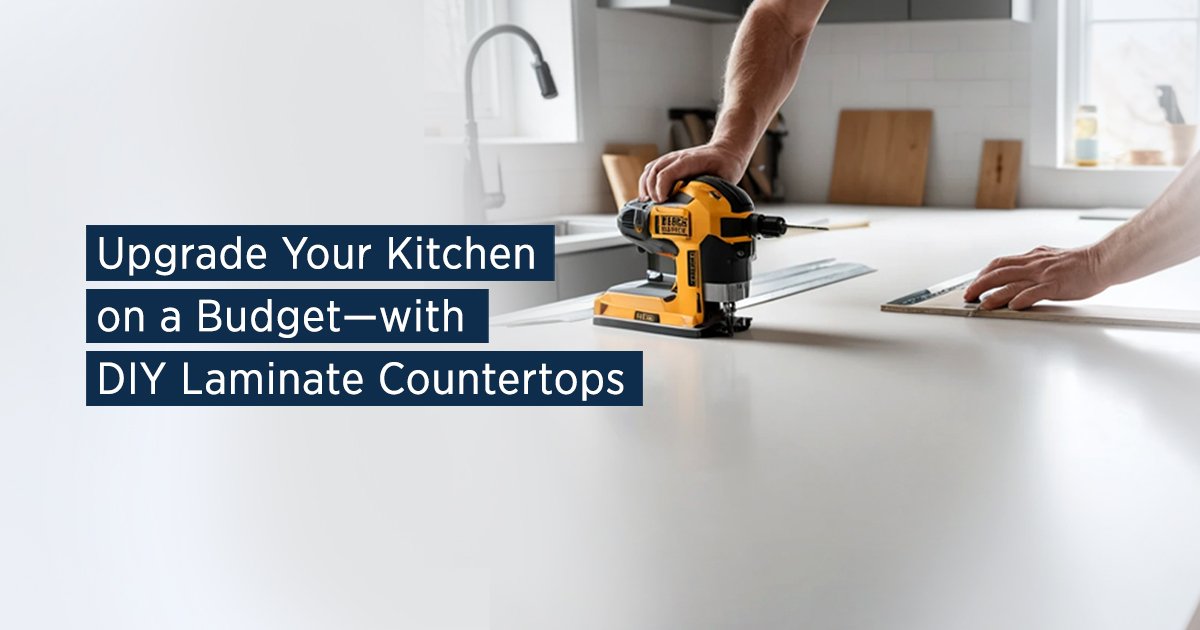
DIY Laminate Countertops: Your Complete Guide to Affordable Kitchen Makeovers
Laminate countertops are a practical, budget-friendly way to give your kitchen or bathroom a fresh look. They come in a huge variety of colors and patterns and resist everyday wear, making them a smart choice for cost-conscious DIYers. In fact, laminate is a popular countertop material because it’s inexpensive and comes in many styles. With modern laminate, you can find designs that mimic the look of granite or quartz, so your surfaces can appear high-end without the high price. Installing laminate counters is also straightforward enough for a confident DIY project – many homeowners can complete it in a day or two. In this guide, we’ll walk you through planning, installing, and caring for laminate countertops so you can achieve durable, professional-looking results on a budget.
Why Choose Laminate for Your DIY Countertop
Laminate stands out for several reasons:
- Cost Savings. Laminate tops are significantly cheaper than natural stone or solid-surface countertops. This means you can get a fresh, modern look without a heavy investment. Many homeowners find laminate a cost-effective way to update their kitchen, often for just a fraction of the price of granite or quartz.
- Variety of Looks. In the past, options were limited, but today laminates come in hundreds of colors and patterns. You can choose from realistic stone-like patterns, wood grains, or bold colors. Some high-end laminates even closely mimic marble or concrete for a custom look.
- DIY-Friendly Installation. Unlike heavy stone slabs, laminate is relatively light and can often be cut and installed with standard tools. That makes it accessible for homeowners who want to do the work themselves. As one expert notes, laminate countertops can be installed quickly and easily – even by a DIYer – often in as little as one day.
- Durability for Everyday Use. While not as hard as granite, laminate resists stains and burns better than it used to. It’s a durable surface for normal kitchen use. With proper installation and care, laminate will hold up for years in a busy kitchen.
Choosing laminate can save you money and effort while still delivering a clean, attractive surface.
Before You Start: Planning and Preparation
Measure carefully
Your first step is to plan the dimensions of your new countertop. Double-check the length and width of each countertop run, as well as any corners or angles. It helps to mark the cabinet outlines on the subfloor with tape or a straightedge. Mistakes here can be costly, so measure at least twice.
Assess your cabinets
Make sure your base cabinets are level and firmly secured. The new countertop will follow their shape exactly, so any uneven cabinets can cause gaps or stress on the laminate. If you’re replacing an old counter, start by removing it and any old backsplash or trim.
Choose the laminate
Laminate sheet or post-form panels can be ordered from a home center or local lumberyard. Consider getting a few extra inches of substrate (like plywood or MDF) around each edge when you cut, so you have room to trim to exact size later. Your lumber retailer can help you select a durable core board (often melamine-coated MDF) that is meant for countertops.
Gather tools and materials
For a typical laminate installation, you will need:
- Laminate cutting tools: A circular saw or jigsaw with fine-tooth blade can rough-cut laminate. A router with a laminate trim bit will trim edges cleanly.
- Adhesive: Contact cement is commonly used to bond the laminate sheet to the substrate. Choose a high-quality contact cement and have a brush or notched trowel ready.
- Roller: A laminate roller or a hard roller (sometimes a floor roller or hard rubber roller) is useful to press the laminate into the adhesive.
- Tape and clamps: Painter’s tape and pieces of dowel or wood strips (like slats from Venetian blinds) help apply laminate smoothly.
- Safety gear: Contact cement is very strong-smelling, so ventilate the area well or wear a respirator. Cut-resistant gloves and eye protection are also wise when working with sharp tools.
- Finishing supplies: A roundover or bullnose router bit, sandpaper, and caulk (silicone or acrylic latex) for sealing edges and backsplash.
Prior to the big install day, gather everything you’ll need. Lay out your tools in the workspace so you can work continuously.
Step-by-Step Installation Guide
- 1. Dry-fit the countertop. Before applying any adhesive, make sure the countertop slab (whether pre-made or your cut substrate) fits correctly. Place it on the cabinets to check that it covers the base evenly and wraps around corners as needed. It should overhang the front edge of cabinets by about ¾ inch, and come to the edge at the walls without huge gaps. Adjust now by reducing excess material – it’s much easier than reworking later.
- 2. Cut and burnish laminate sheet. If building from scratch, you’ll have a flat board (usually particleboard or MDF) cut to the right size and shape. Now take your sheet laminate and rough-cut it (with a jigsaw or circular saw) so it is at least 1–2 inches larger than the board on all sides. Apply a bead of contact cement to the board edges to keep the excess trimmed later, and press the oversize laminate edges against your board to burnish and seal them at the start (this prevents shifting when bonding the top surface). Then roll or lightly press the laminate on top of the burnished edges to hold it in place.
- 3. Apply contact cement. Following the manufacturer’s instructions, apply contact cement to both the substrate board and the backside of the laminate sheet. Work in a well-ventilated area and apply an even coat. Let both surfaces dry until tacky – this usually takes about 15–20 minutes. Test by gently touching a small spot; each should feel a bit sticky.
- 4. Attach the laminate. Carefully align one corner of the laminate with the substrate and lay it down, starting there. Use a plastic carpenter’s rule or long straightedge and a hard roller. Firmly roll the laminate from the center outward in overlapping strokes. The lamination is immediate once points touch, so work slowly enough to avoid air bubbles. If you do get a small bubble, pull back immediately and roll again. As an installer trick, you can lay wooden strips (like Venetian blind slats) on the adhesive and place the laminate on them; then remove each strip one by one, rolling as you go, for a smooth, bubble-free bond.
- 5. Trim the edges. Once the laminate is fully adhered, use a router with a laminate trimming bit to follow the edges of the substrate board. This cuts off the excess laminate flush with the surface. For the front apron edge, you may need a separate strip of laminate (“lap strip”) glued on to cover the exposed substrate at the front. Trim that piece as well so all edges are smooth. Sand any rough edges lightly and use a bullnose bit on the router for a rounded, finished edge.
- 6. Cut openings (sink/stove). Mark your sink or cooktop opening on the countertop using a template. Drill a starter hole in the laminate, then use a jigsaw to cut out the opening through both laminate and substrate. Finish the edge of the opening with a router or sandpaper for a smooth edge. Fit and secure your sink or cooktop as instructed.
- 7. Backsplash installation. If you have a separate backsplash panel, cut it to length and apply it to the countertop edge or wall. Run a bead of construction adhesive or silicone on the back of the backsplash strip and press it against the wall and countertop, aligning carefully. Let the glue set according to instructions. Finally, apply a thin bead of silicone caulk along all seams between backsplash, countertop, and wall. Wipe away any excess with a cloth dipped in soapy water.
- 8. Final touches and securing. Place the countertop back on the cabinets. Secure it from underneath by screwing up through the cabinet walls into the countertop’s underside – 1¼" screws are typical. Make sure none of the screws jut through the top surface. Cover any screw heads with cabinet trim to hide them. Check that the counter feels solid with no rocking. By this point, your new laminate surface should look smooth and polished. Take time to clean off any dust or excess glue residue. Then step back and admire the results of your hard work!
Common Mistakes and Expert Tips
- Don’t Rush Gluing: Contact cement bonds instantly, so align carefully. Spread laminate gently and roll immediately. If markings or bubbles appear, pull back a bit and roll again.
- Mask Cuts: Protect the edges of laminate when sawing by applying painter’s tape along the cut lines; this prevents chipping the decorative surface.
- Use Proper Bits: A specialized laminate trim router bit leaves a clean edge. Avoid the temptation to use a dull blade on saws – it can crack laminate.
- Seal All Seams: Laminate is water resistant on its face but not waterproof if edges lift. Always silicone-seal seams at walls, bumpers, and sinks to prevent water damage.
- Mind the Temperature: Laminate can expand slightly. Leave small gaps (about 1/8") at walls if not using backer boards all the way. Similarly, use heat-resistant pads under hot cookware to avoid burns.
- Clean Work Surfaces: A level, clean base makes fitting easier. Remove any old caulk or debris on cabinet tops before placing the new counter.
- Double-Check Levels: After installation, use a level to confirm the countertop stays flat between cabinets. Shim cabinets if needed before screwing down to avoid gaps.
Maintenance Tips: Keeping Counters Looking New
Laminate tops are very easy to care for with the right routine. For everyday cleaning, a soft cloth or sponge with warm water and mild detergent will do. Stubborn food spills or grease come off easily with a gentle household cleaner. Avoid abrasive pads or strong chemicals – they can scratch or dull the finish. Wipe up spills promptly, especially tomato sauces or wine, to prevent staining.
To prevent heat damage or cuts, always use trivets or hot pads under pots and never cut directly on the countertop. Although laminate is fairly durable, it can melt or leave burn marks if kissed by very hot cookware. Keep a set of cutting boards handy and encourage their use whenever chopping or heavy-duty prep is happening.
Check the seams and edges periodically. If you see any lifting, press the laminate back in place and reapply contact cement or clear silicone to seal it. Tighten the screws below if you notice any flexing. With these simple care steps, your laminate countertop can stay attractive and functional for many years.
FAQ: Laminate Countertop Questions
- Is laminate countertop installation difficult? Not necessarily. As sources note, laminate can be installed in as little as one day. It’s far lighter and easier to cut than stone, so you won’t need special heavy equipment.
- How long do laminate countertops last? Modern high-pressure laminates are quite durable, though they may not last as many decades as granite. The key is maintenance. If you clean gently, avoid extreme heat, and reseal edges if needed, laminate can look great for 10–15 years or more.
- Are laminate countertops heat resistant? Laminate is not heatproof like stone. Always use trivets or hot pads under cooking pots to protect the surface. Even so, a short term exposure to moderate heat is usually fine.
- How much does a laminate countertop cost? Costs vary by size and style, but laminate is generally much more affordable than options like granite or quartz. DIY installation also saves money. It’s common for laminate to cost a few dollars per square foot for material, versus tens of dollars for stone.
- How to repair scratches or chips? Small scratches can often be buffed out with a light abrasive polishing pad. For chips or deeper damage, kits are available that include putty or blend sticks matching common laminate finishes. In many cases, a seamless replacement from the same manufacturer ensures the best match.
- Can laminate get wet without damage? The laminate surface itself is waterproof, but water can get in at edges or seams. Make sure seams are sealed with caulk and wipe spills quickly. Keeping edges intact will prevent moisture from swelling the substrate under the laminate.
Final Thoughts
Laminate countertops offer DIYers an excellent balance of style, savings, and satisfaction. By choosing the right materials, measuring carefully, and following each step, you can achieve a smooth, professional-looking countertop that stands up to everyday use. Just remember to take your time with the installation and stick to simple care routines afterward.
Ready to start your project?
Head out to a local lumber or home improvement store for samples and talk with experts on counter laminates.
Hall Brothers Lumber’s team (serving Union, MO and beyond) can help you select the right product and answer any questions.
For more easy home improvement advice and community-tested tips, follow us or reach out anytime. Happy renovating!