
Winterize Your Home: Top Tools & Tips from the Hardware Store
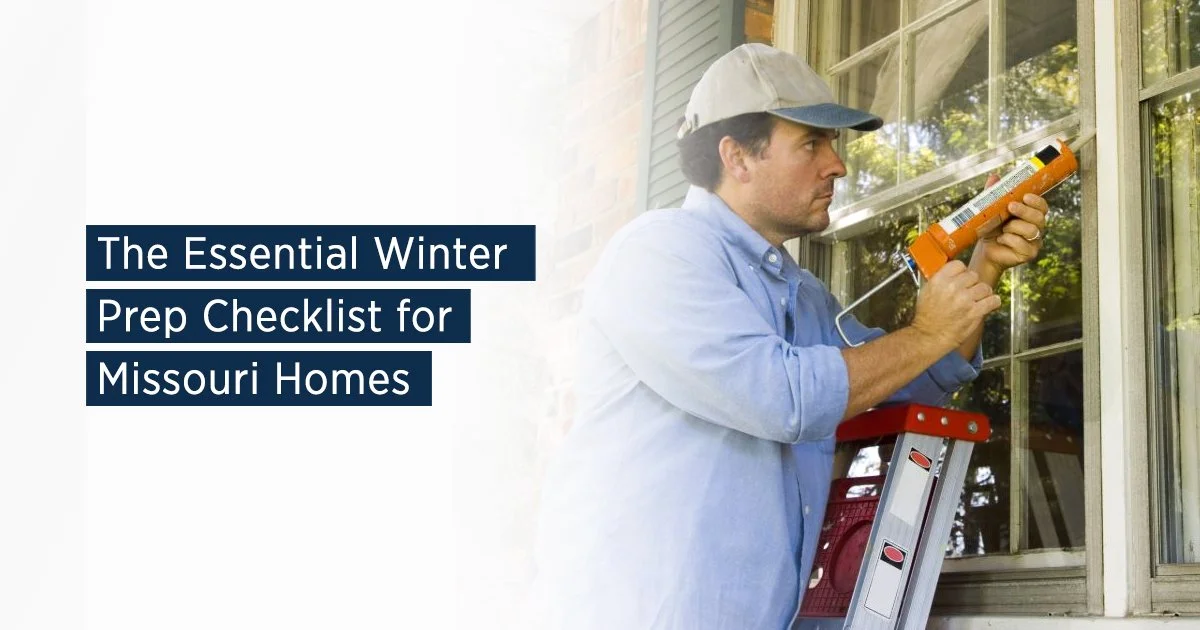
How to Winterize Your Home: Step-by-Step Checklist (Missouri Homeowners)
Cold snaps in Missouri can turn small issues (drafts, clogged gutters, exposed pipes) into expensive repairs. This guide breaks winter prep into simple, timed steps so you can protect comfort, lower energy waste, and reduce the risk of breakdowns.
Two fast wins to know up front: caulking + weatherstripping are simple air-sealing moves with quick payback (often within a year or less) [Source], and leaky ducts can lose about 20–30% of the air moving through your duct system [Source]
Winterization Checklist (Quick Version)
If you only do one pass, do these:
- Service your heating system + replace filters
- Seal drafts at doors/windows and seal attic penetrations
- Check attic insulation depth and top up if needed
- Insulate exposed pipes + disconnect outdoor hoses
- Clean gutters and inspect roof flashing
- Seal exterior utility penetrations (dryer vent, cable, pipe entries)
- Stock ice melt, shovel, flashlight batteries, basic repair items
- Track heating bills and fix new drafts early
Materials & Tools You’ll Want on Hand
Keep these ready before the first hard freeze:
- Caulk + caulk gun (interior/exterior grade)
- Weatherstripping + door sweep
- Foam pipe insulation sleeves + foam tape
- Foil HVAC tape or mastic for duct joints (not cloth duct tape)
- Fiberglass batts / blown-in insulation (attic top-up)
- Ladder + gloves + gutter scoop
- Snow shovel + ice melt/sand
- Smoke/CO detector batteries
If you want a product-focused internal link, Hall Bros has a dedicated insulation page you can point readers to: Insulation.
Optional visual for the post (use your own product photos if possible; otherwise these show what readers expect): attic insulation install photo example [Source](https://www.lowes.com/n/how-to/install-blown-in-attic-insulation)
1) Inspect and Tune Up Your Heating System (Early Fall)
Why it matters: your furnace/heat pump is your #1 winter comfort system. Small issues show up when temps drop fast.
What to do:
- Replace/clean HVAC filters: start now, then re-check monthly during winter.
- Book a pro tune-up: have a licensed HVAC tech check safety and efficiency (especially if you have gas heat).
- Vacuum vents and returns: reduce dust buildup and improve airflow.
- Test smoke + carbon monoxide detectors: replace batteries as needed.
2) Seal Air Leaks Around Windows, Doors, and the Attic
Why it matters: air sealing is one of the quickest home energy upgrades. The U.S. Department of Energy specifically calls out caulking and weatherstripping as simple, effective air-sealing techniques with fast ROI.
What to do:
- Check doors/windows for drafts: use your hand or a lit incense stick near edges.
- Caulk gaps at stationary joints: window trim, door frames, siding joints.
- Add weatherstripping + door sweep: especially at exterior doors and garage entry doors.
- Air-seal attic penetrations: plumbing stacks, electrical holes, bath fan housings (use fire-rated sealant where required).
Watch out: clean/dry surfaces first; cold/wet conditions can hurt adhesion and cure time.
3) Seal and Insulate Ductwork (If You Have Forced Air)
Why it matters: ENERGY STAR notes that in a typical house, about 20–30% of the air that moves through the duct system is lost due to leaks, holes, and poor connections.
What to do:
- Find accessible duct joints: basement, attic, crawl space.
- Seal joints with foil tape or mastic: focus on seams and connections.
- Insulate ducts in unconditioned areas: especially attic runs.
4) Boost Attic Insulation (Big Comfort Upgrade)
Why it matters: attic insulation is one of the best “comfort per dollar” moves. ENERGY STAR publishes recommended insulation R-values by climate zone; many homes target ranges like R-38 to R-60 depending on zone and existing insulation.
What to do:
- Measure what you have: check depth and coverage (look for thin spots and gaps).
- Top up insulation: fiberglass batts or blown-in cellulose/fiberglass.
- Insulate the attic hatch: weatherstrip + add an insulation cover.
Hall Bros highlights multiple insulation options (mineral wool, fiberglass, rigid foam/XPS boards, cellulose) on their insulation page, which you can align with this section,
5) Protect Plumbing From Freezing (Before the First Hard Freeze)
Why it matters: frozen pipes can burst and cause major water damage. This is one of the cheapest fixes to prevent a huge bill.
What to do:
- Disconnect and drain outdoor hoses: do this early and don’t wait for the first freeze.
- Insulate exposed pipes: garages, crawlspaces, basements, under sinks on exterior walls.
- Open under-sink cabinets on very cold nights: helps warm air circulate.
Heat tape safety note (important): The U.S. Consumer Product Safety Commission warns that heat tape should not be lapped over itself unless the manufacturer permits it, and it should be applied correctly to reduce fire risk [Source]. CPSC also warns not to cover heat tape with insulation unless the manufacturer recommends it (and if insulation is used, it must be non-flammable).
6) Service Roof, Gutters, and Exterior Openings
Why it matters: clogged gutters and small roof issues can lead to leaks, ice dams, and water intrusion.
What to do:
- Clean gutters + downspouts: ensure water drains away from the foundation.
- Inspect shingles/flashing: fix small issues before snow/ice makes it harder.
- Seal exterior penetrations: around dryer vents, hose bibs, cable lines, utility entry points.
7) Stock Up on Winter Supplies (So You’re Not Shopping in a Storm)
What to have ready:
- Snow tools: shovel, snow broom (and a roof rake if needed).
- Ice melt or sand: store dry, near the door.
- Emergency kit: flashlight, batteries, blankets, water, basic first aid.
8) Track Results and Fix New Problems Early (Mid-Winter)
What to watch:
- Heating bills: compare month-to-month.
- Cold spots/drafts: fix weatherstripping failures fast.
- Moisture signs: attic condensation, window sweating—often points to air leaks or ventilation issues.
Simple “Success Metrics”
- Lower heating costs: EPA estimates homeowners can save around 15% on heating and cooling costs by air sealing (and adding insulation where needed).
- No emergency calls: no burst pipes, no furnace shutdown during extreme cold.
- Comfort: fewer drafts, more even temperatures room-to-room.
If you want help choosing the right materials (insulation type, weatherstripping profile, caulk for interior vs exterior), Hall Brothers Lumber can point you to the right solution fast. They offer free delivery and have a long local track record (Trusted since 1938).
Hall Brothers Lumber Co.
503 N. Washington Ave, Union, MO 63084
Phone: (636) 583-2114
Hours: Mon–Fri 7am–5pm, Sat
8am–Noon, Sun Closed